

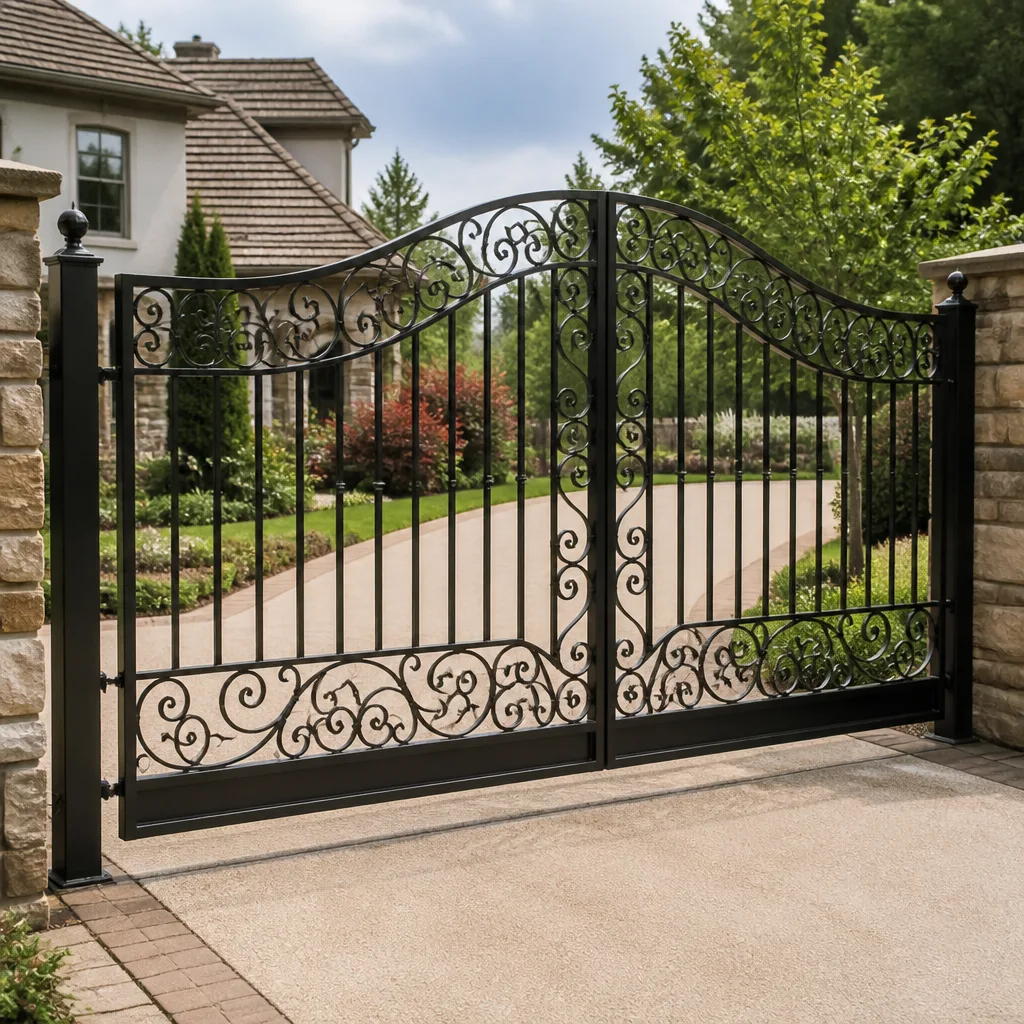
 Wrought iron
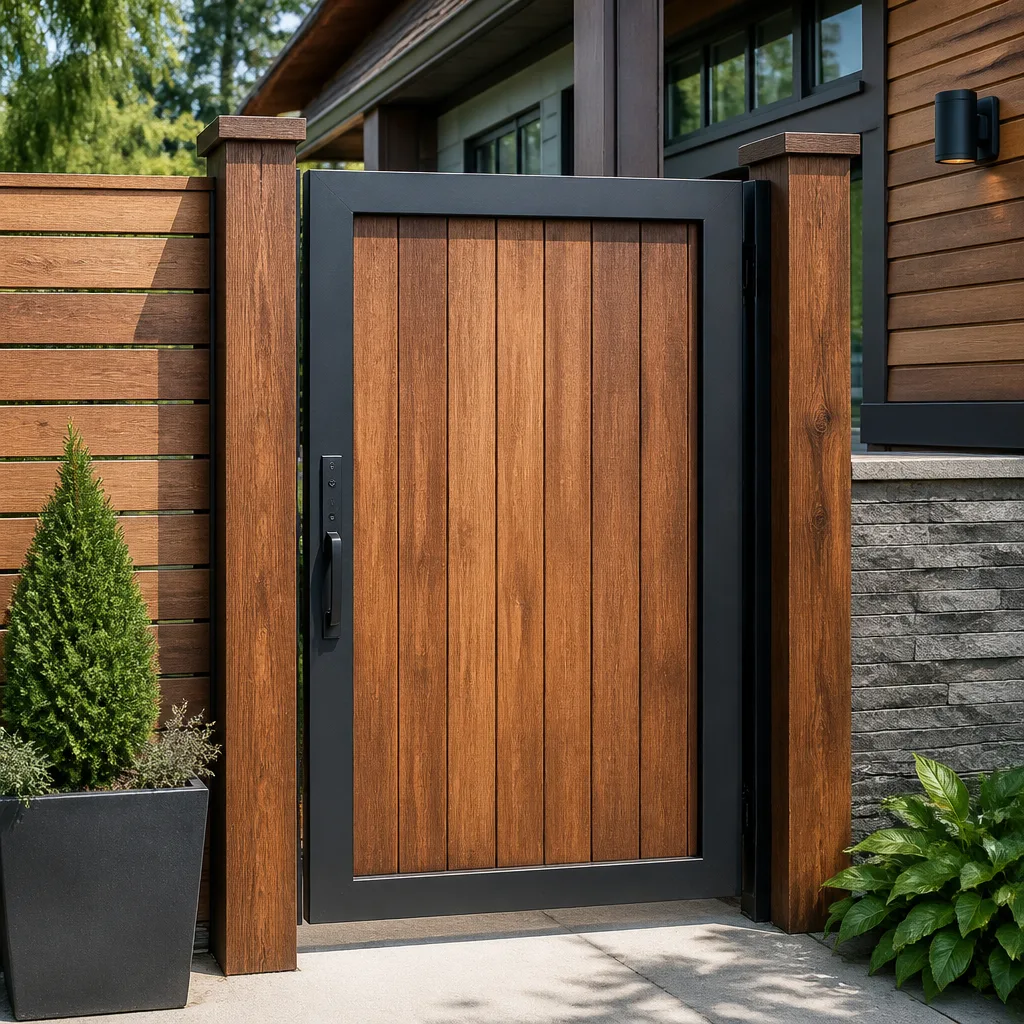 Wood & steel frame
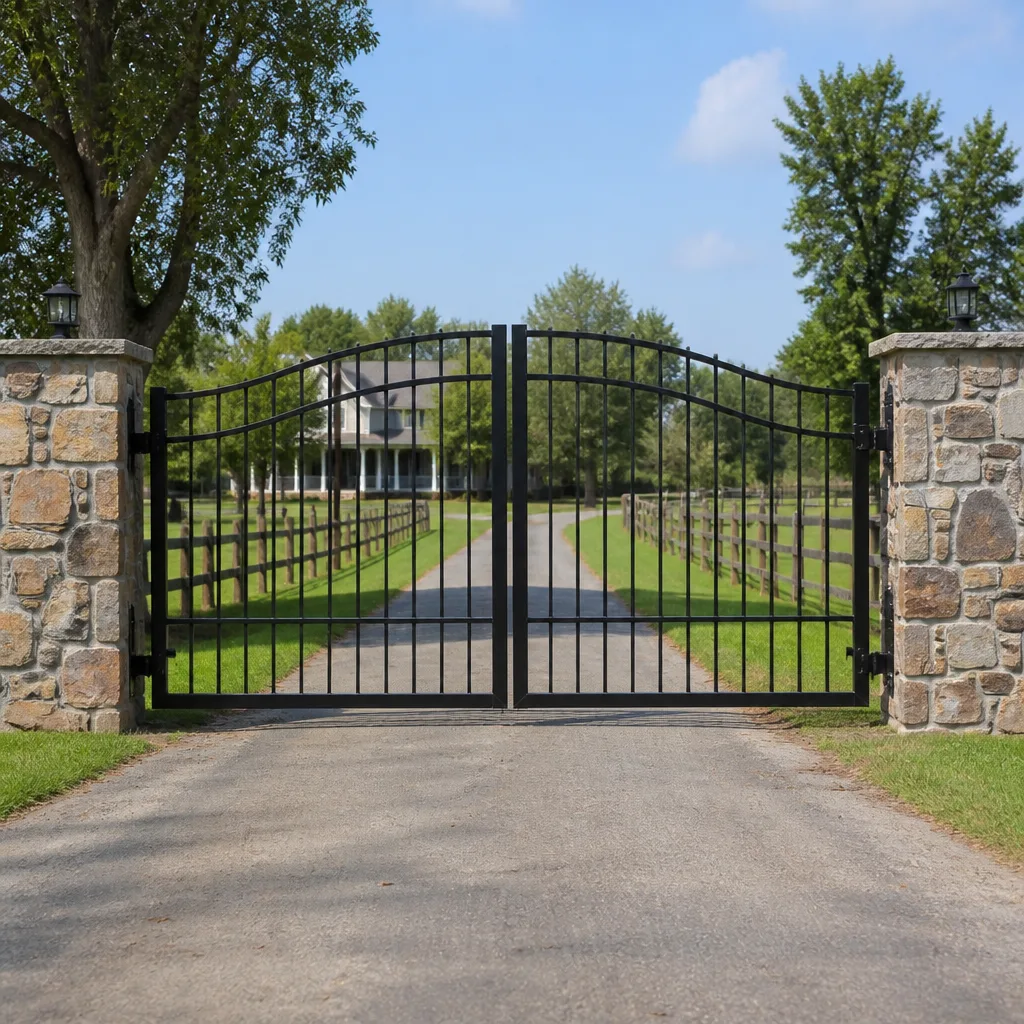 Farm & ranch
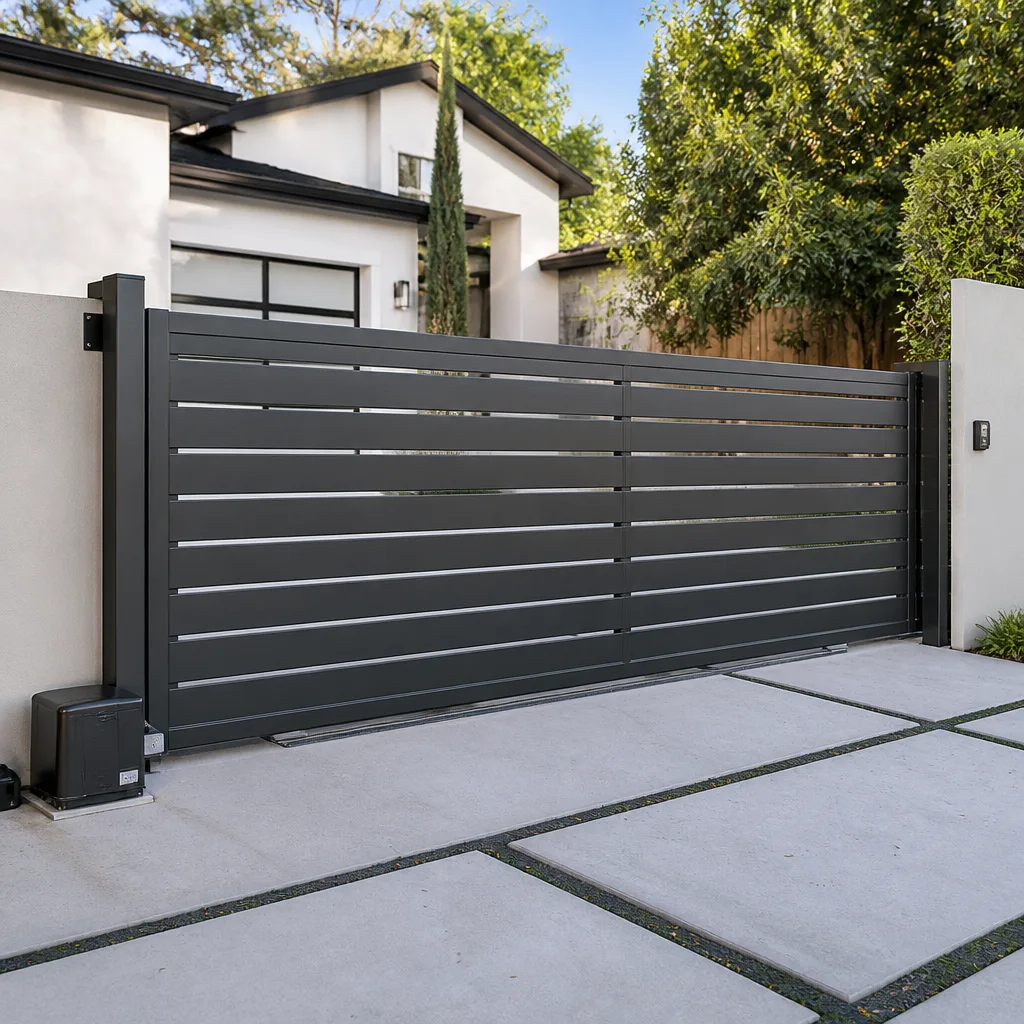 Sliding driveway gates
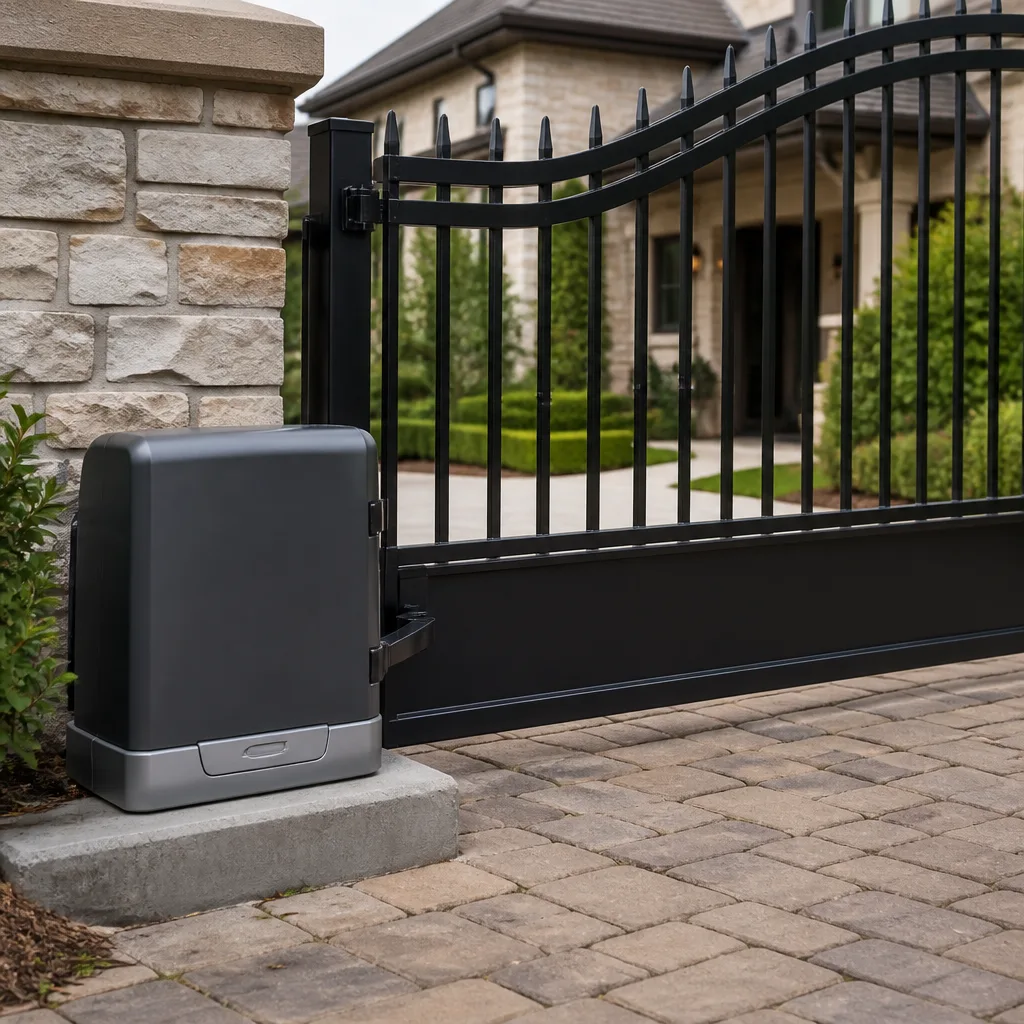 LiftMaster operators
Free on-site gate assessment - hinges, posts, and your LiftMaster or Nice gate operator checked before anything is quoted
The assessment is free and the quote is the invoice.
Get your free estimateFast, Reliable Gate Installation Across Financial District
A new gate in the Financial District usually costs between $2,800 and $11,000 installed, with sliding gates on compact rack-and-pinion operators landing in the $5,500 – $9,500 range because of the site work involved. Most jobs in the district take 3 to 5 working days from permit sign-off to final walkthrough, though a straightforward driveway gate replacement can sometimes be done in two. Call (934) 649-3673 and we’ll give you a written price before a single tool comes off the truck.
The Financial District is not like other parts of New York. Streets here were laid out for wagons and hand carts, not modern delivery fleets. That means most gate work happens in tight service alleys, building setbacks, and shared rights-of-way that a generic installer will read wrong on the first visit. Our crews know the difference between a Broad Street storefront access lane and a mid-block freight entrance off Exchange Place, because we’ve worked both. That local knowledge is the difference between a gate that opens clean every morning and one that fights the building for space.
If you manage or live in a building with a driveway, shared walkway, or rear service entrance, we can walk the site with you, measure the actual clearances, and tell you honestly whether a swing or a Gate Installation with a sliding operator is the right call. No pressure. Just numbers, clearances, and a plan.
Why Latch and Post Gate Repair Brooklyn Is Financial District’s Preferred Gate Installation Company
Most of our work in the Financial District comes to us through building supers, condo boards, and homeowners who already tried the “find a welder on short notice” route once and don’t want to do it again. We’re known for showing up when we say we will, keeping freight lanes open while we work, and writing the full price down before the first fitting is cut.
Our technicians are background-checked, uniformed, and factory-trained on the equipment families actually run in this neighborhood: LiftMaster, FAAC, BFT, and Ghost Controls among them. That matters in a district where a gate is rarely just a gate. It’s tied to a keypad, a loop detector, a fire alarm override, and a building security network. The person installing it needs to understand torque settings and entrapment protection, not just metalwork.
Cody Beckman leads our gate installation work. The standard he insists on is simple: name the price first, protect the floors and walkways while we work, clean up before we leave, and stand behind the job for a full year through the 365-Day Done Right Promise. If something isn’t right, we make it right. No argument, no fine print.
Scheduling for Financial District buildings is coordinated from our New York City office. Calls reach a live person around the clock, not a voicemail tree. Nights, weekends, holidays. If a gate is down and a freight entrance is blocked, we answer.
Styles & brands we work with
Driveway Gate Installation in Financial District
Driveway gate installation in the Financial District usually runs between $3,500 and $11,000 depending on the opening width, gate weight, and how much footing work the surrounding setback allows. In this neighborhood, the real question is rarely the gate itself. It’s whether the post footings can go deep enough without cutting into a neighbor’s vault, a buried utility chase, or a landmark facade anchor. We start every driveway job with that excavation question, and we tell you what we find before you spend a dollar on hardware.
In the Financial District, most new driveway gates go into service lanes that serve both vehicles and pedestrians. The gate has to stop the cars and let the people through, or run on a hold-open schedule that matches the building’s delivery windows. We set operators up so the gate logic works around how the building actually operates, not the other way around.
Post footings under sidewalk vaults
Many Financial District buildings sit over old vaulted sidewalks, which means you cannot always sink a four-foot concrete pier where the hinge post belongs. We’ve handled this by engineering shorter, wider footings with lateral steel ties, or by shifting to a cantilever-style slide that carries the load differently. The fix depends on what’s under the sidewalk, and we’ll show you the plan before we pour anything.
Operator placement in tight setbacks
If a driveway swings outward and the sidewalk is narrow, the operator has to sit somewhere protected from salt spray and truck bumpers. We’ve had good results tucking a FAAC or BFT underground operator inside a sealed pit with a proper drain, which keeps the mechanics out of the weather and the visual profile low. It costs more than a surface-mount arm, and it lasts longer in this environment.
Sliding Gate Installation in Financial District
Sliding gate installation in the Financial District typically runs $5,500 to $9,500 for a single-leaf steel or aluminum gate on a rack-and-pinion operator. This is the most common style we install here, for one simple reason: a swing gate needs an arc of free pavement, and most service alleys off Water Street, Front Street, and South Street don’t have it.
A slide gate travels along the fence line instead of out into the right-of-way. That lets a building keep both loading windows and fire egress usable. In the Financial District, where a 42-inch setback is common and a delivery truck is never more than ten minutes away, that geometry matters more than curb appeal.
Rack and pinion where salt air bites
Proximity to the harbor means slide gate hardware rusts faster here than it does uptown. We spec stainless racks, coated fasteners, and sealed bearing carriages on South Street and the seaport blocks. It adds about 8 to 12 percent to the parts cost, and it means the gate still opens in five years instead of jamming on a corroded rack tooth.
Hold-open coordination with delivery schedules
Most commercial and mixed-use buildings in the Financial District want the gate closed when trucks are not expected, and open only during designated windows. We set the operator’s timer logic and keypad zones accordingly, and we tie the safety photocells to the building’s freight call system so the gate reverses the instant a hand truck crosses the beam. That coordination means the gate never knocks a delivery cart over and never leaves the service lane open all night.
Trusted Brands We Service in Financial District
We stock or can source parts quickly for the brands buildings actually run in the Financial District: LiftMaster for commercial operators, BFT and FAAC for barrier and slide duty, and Mighty Mule for lighter residential drives. When we install, we use factory-matched components so the control board, motor, and safety sensors talk to each other without adapter hacks. That matters here because an intermittent gate in a freight lane is not a small annoyance; it’s a building operations problem that can block tenants for an hour while a technician from out of the area tries to guess the wiring.
If you already have a gate and need it replaced, tell us the brand and model on the call. We’ll bring the right board, the right remote protocol, and the right mounting kit on the first trip, not the third.
See the difference
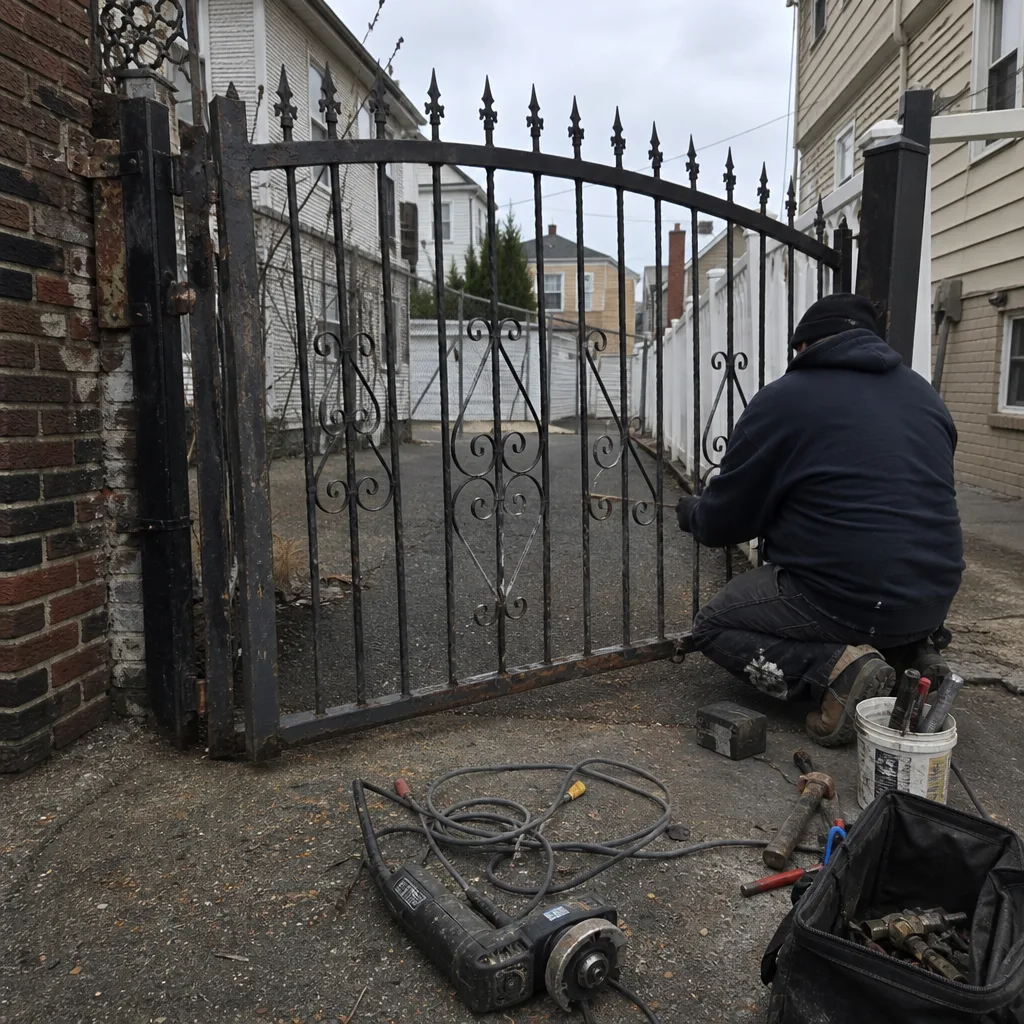 Before
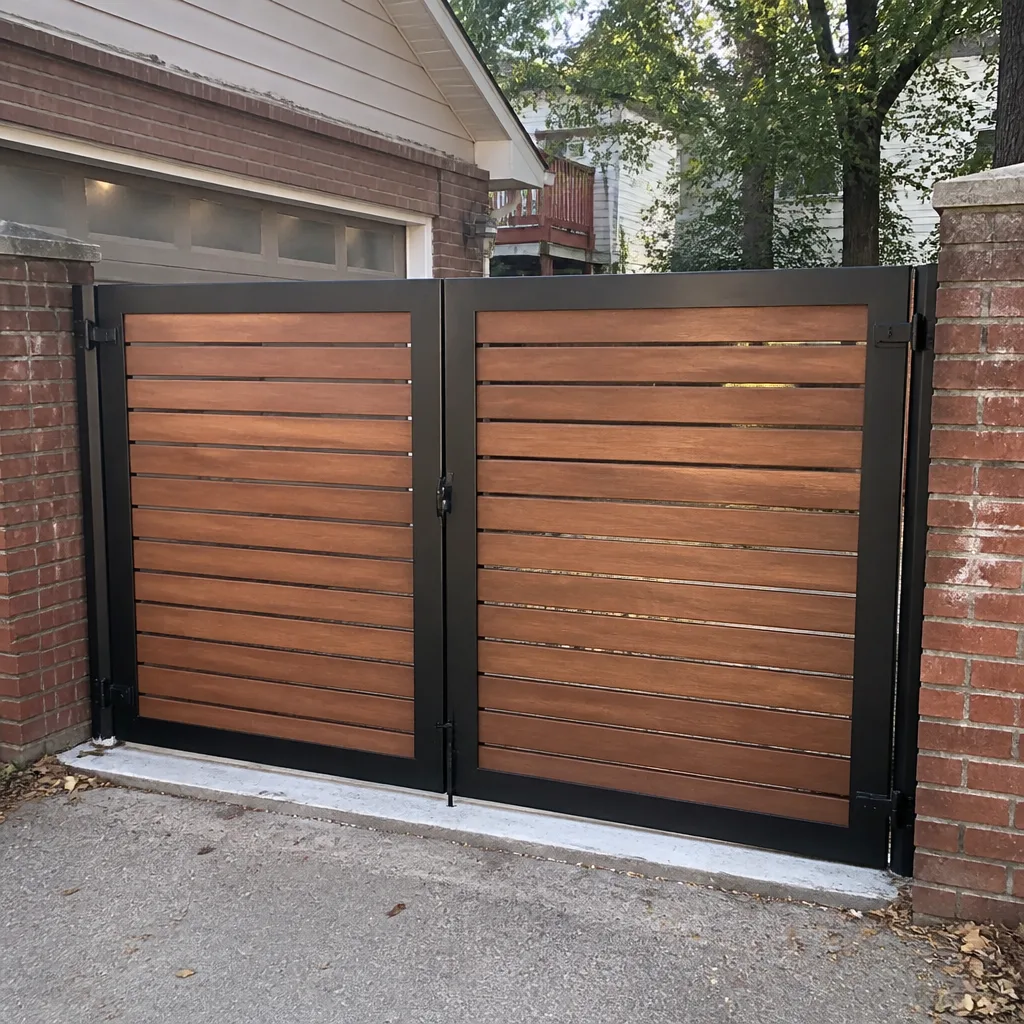 After
After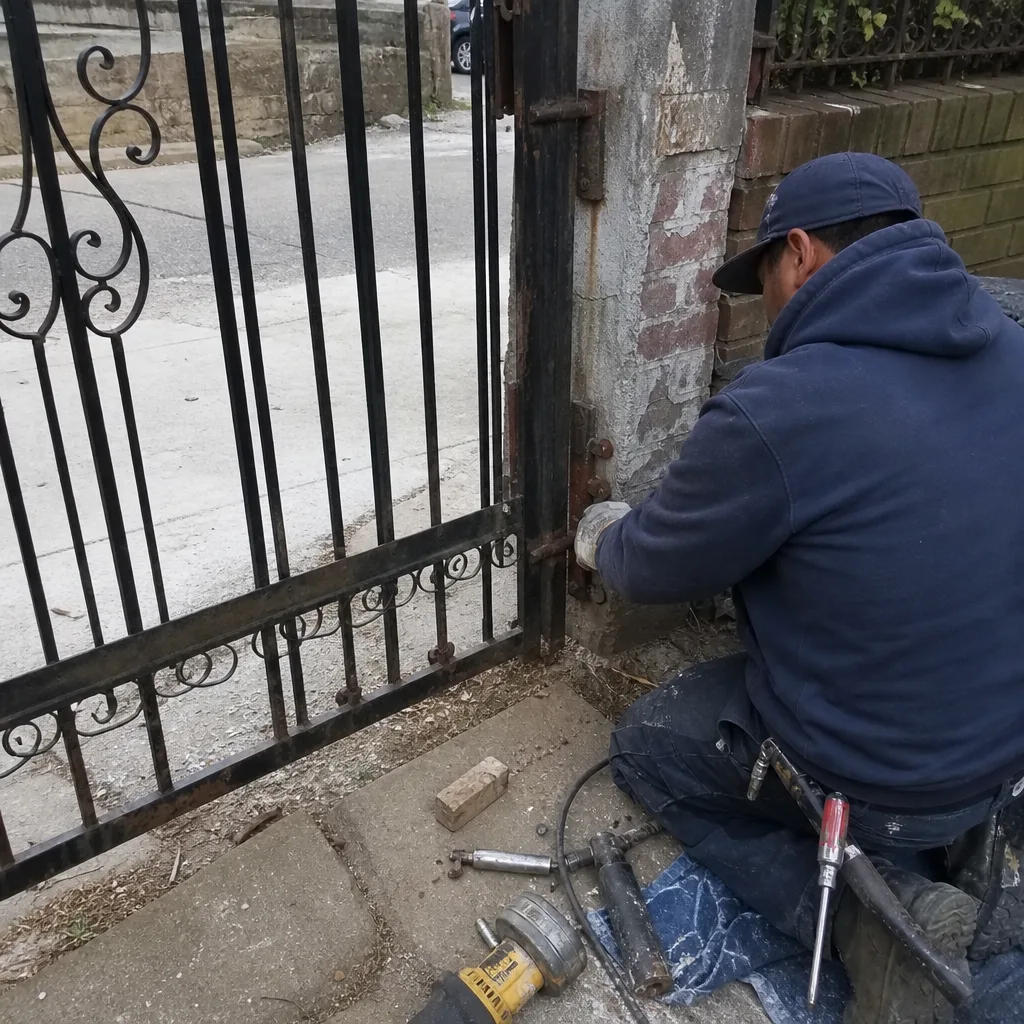 Before
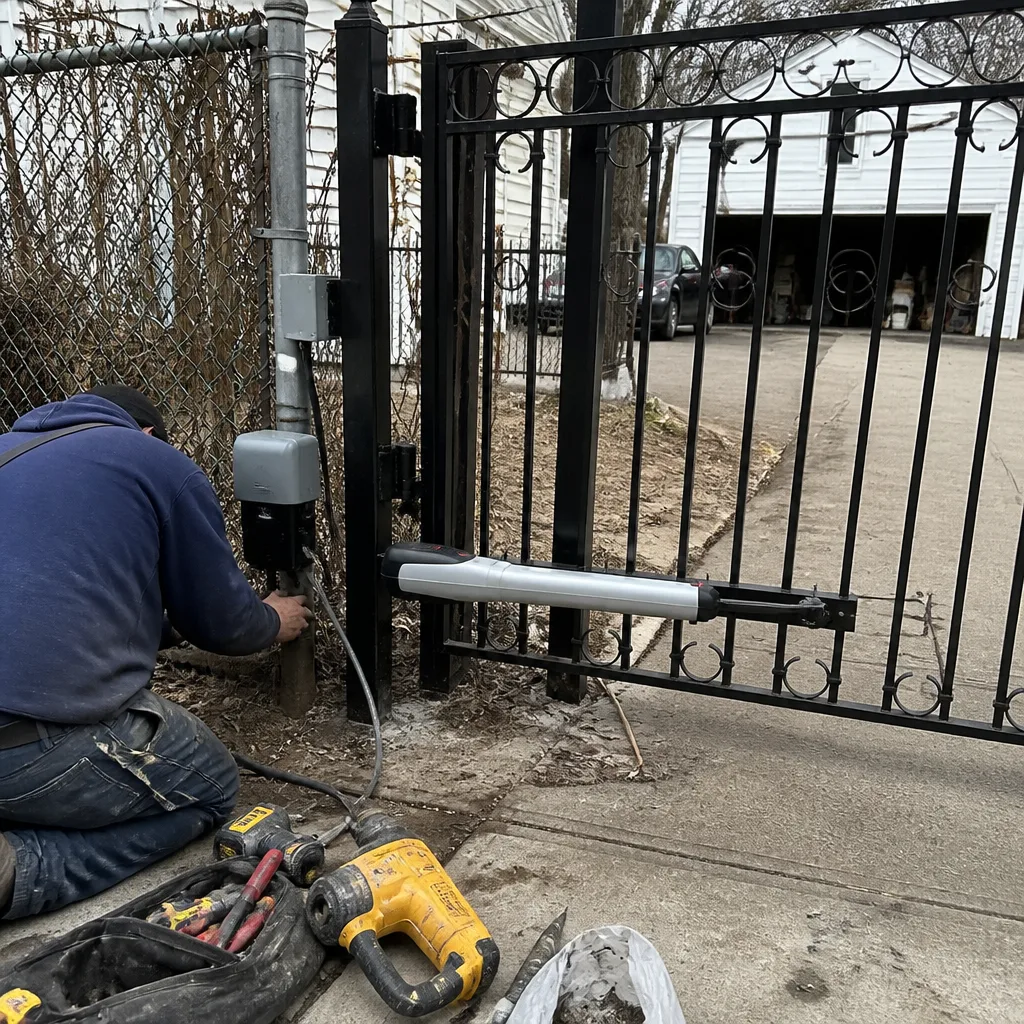 After
After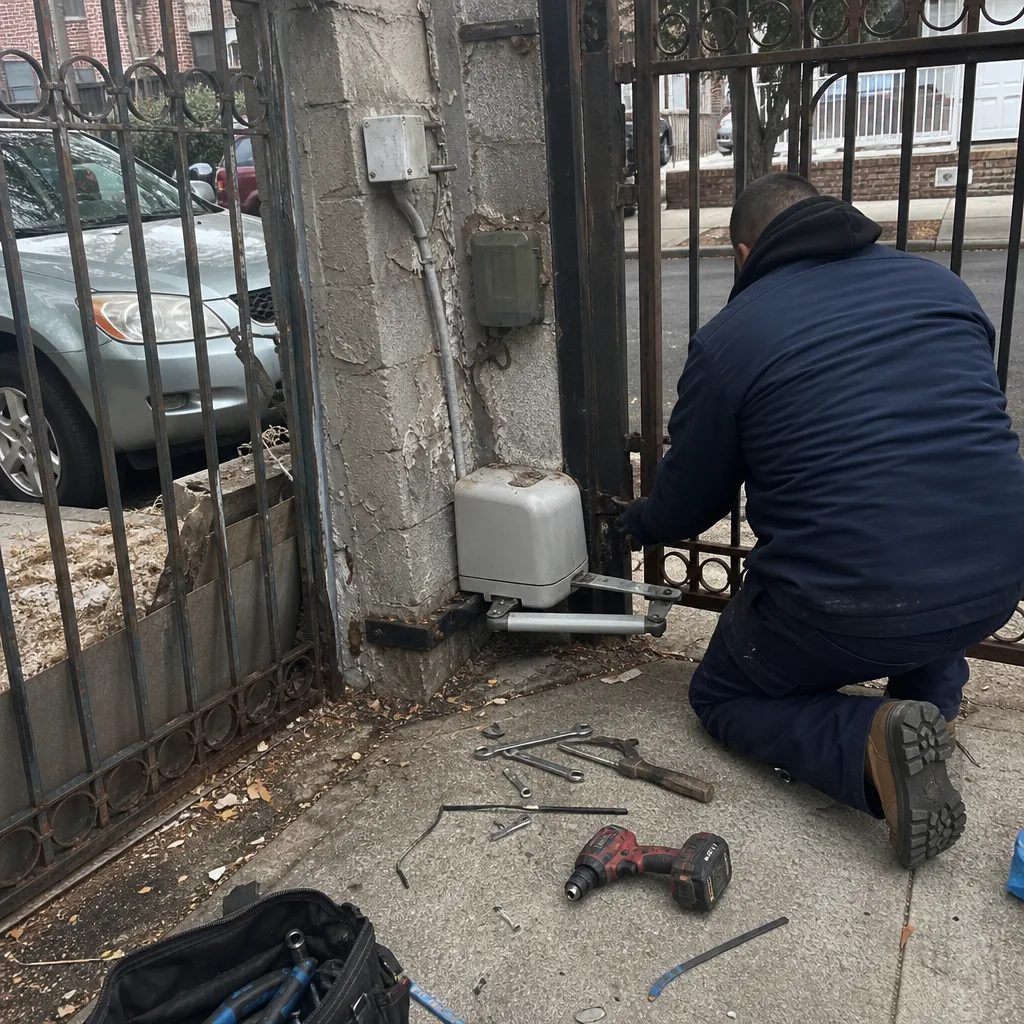 Before
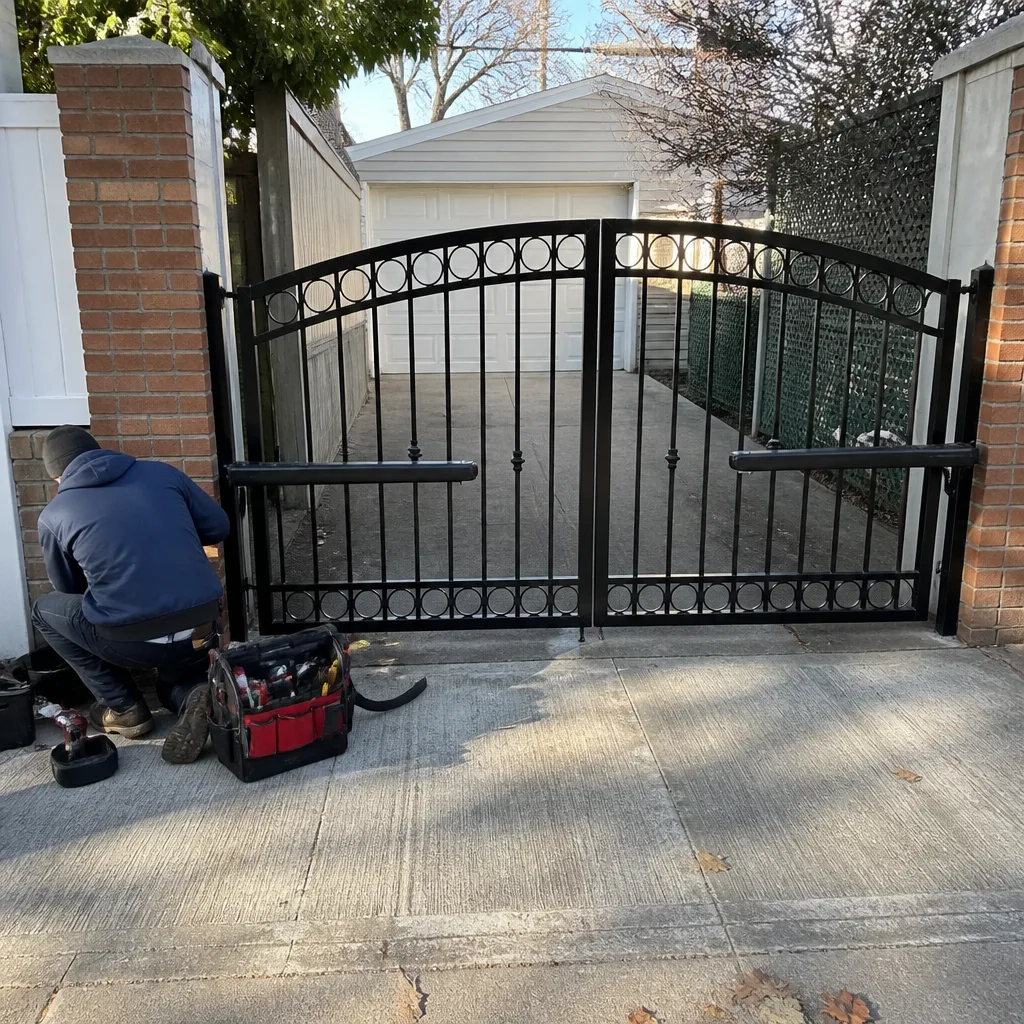 After
AfterCommon Gate Installation Problems We See in Financial District Homes
- Post footings heaving during freeze-thaw cycles. Winter here alternates between hard freeze and thaw, and shallow footings lift and shift. We dig below frost line as a rule, and in the Financial District that sometimes means working around vaulted sidewalks and old coal chutes.
- Salt air corroding exposed rack tracks. Close to the East River, especially around South Street, salt spray gets into everything. We see binding and stripped teeth on slide gates that were good hardware ten years ago but never maintained.
- Security system dead zones. A new gate that doesn’t open for authorized freight during business hours is usually a wiring or loop detector integration mistake. We bench-test the logic with the building’s access control vendor before we call the job done.
- Historic ironwork that doesn’t match off-the-shelf parts. The district still has handsome 19th-century iron gates, and repair often calls for custom fitting rather than a stock section. We match the material, not just the rough shape, so the repair doesn’t scream at the facade.
Pricing for Gate Installation in Financial District, NY
A single-leaf pedestrian gate in the Financial District starts around $2,800 installed. A full driveway slide gate on a rack-and-pinion operator lands between $5,500 and $9,500. A heavy double-leaf swing gate for a wider service entrance runs $6,000 to $11,000 by the time you include reinforced posts, operators, and safety edges. The biggest cost drivers here are clearances and access: how narrow the service alley is, whether we’re pouring footings over a vault, and whether the installation has to happen at night so a loading dock stays open. You’ll see the exact figure in writing before any work begins, and that written price is the price. No add-ons, no surprises. Call (934) 649-3673 for a free site walk and quote.
We Also Serve Cities Near Financial District
Our crews regularly work across the water and up the BQE, so if your building sits just outside the district boundary we can still help. That includes Financial District neighbors like Brooklyn, New York, Canarsie, and Maspeth. Same crews, same written-price rule, same clean-up standard. Call (934) 649-3673 and tell us which block you’re on.
Serving Financial District, NY - Our Local Coverage Area
We’re based in the Financial District area and know this community well. Use the map below to see our service coverage - if you’re nearby, we can almost certainly help.
FAQs About Gate Installation in Financial District
Usually no, and we’ll tell you that before we sell you anything. A swing gate needs a clear arc of pavement equal to the gate’s width, and most shared driveways in the Financial District don’t have it without blocking the pedestrian path. In those cases we recommend a slide gate on a rack-and-pinion operator that travels along the fence line instead of into the right-of-way. Call (934) 649-3673 and we’ll measure the actual clearances and give you a straight answer.
We use a compact rack-and-pinion slide system that needs only about 42 inches of setback, which covers most of the mid-block service lanes in the Financial District. The rack mounts to the gate’s interior face and the operator sits on a small, well-drained pad rather than a full cantilever roller frame. On a job near Exchange Place we fit a Ghost Controls slide gate into exactly that kind of 42-inch setback, with the post footing sunk below frost line and the safety photocells wired into the building’s freight management system. The gate reverses the moment a hand truck crosses the beam, and it holds open only during the two designated loading windows.
Not if we can help it. For commercial and mixed-use Financial District buildings we typically schedule the noisy work, like demolition and concrete pours, outside the building’s posted loading hours. The old gate stays operable as long as possible, and we can run the new wiring and set the operator on a weekend if the building is quieter then. We’ll work with your building management or super to post notices and keep the fire lane clear. If we have to take an entrance out of service for a few hours, you’ll know the exact window in advance.
Yes, and we plan for it from the first phone call. A new gate in a Financial District building usually has to talk to a keypad, a loop detector, a fire alarm override, and the building’s access control software. We bench-test the operator logic with your security vendor before the final walkthrough, so you don’t end up with a beautiful new gate that won’t open for authorized freight during business hours. We’ve fixed enough of those dead zones to know that coordination is part of the installation, not an afterthought.
A sliding gate in a shared alley needs at least two forms of entrapment protection under UL 325: a monitored safety device like photocells or a contact edge, and the operator’s built-in obstruction sensing. We install monitored photocells across the gate’s travel path and set the motor’s force sensitivity so it reverses on contact with a person, a cart, or a delivery dolly. In a high-traffic Financial District lane we often add a second set of photocells at the tail end of the gate, which is where most hand trucks get clipped. Call (934) 649-3673 if you’re facing a specific site issue and want to know what your gate actually needs.
Written by Cody Beckman, Owner at Latch and Post Gate Repair Brooklyn, serving the Financial District and the surrounding area since 2009.