
Last updated October 17, 2026
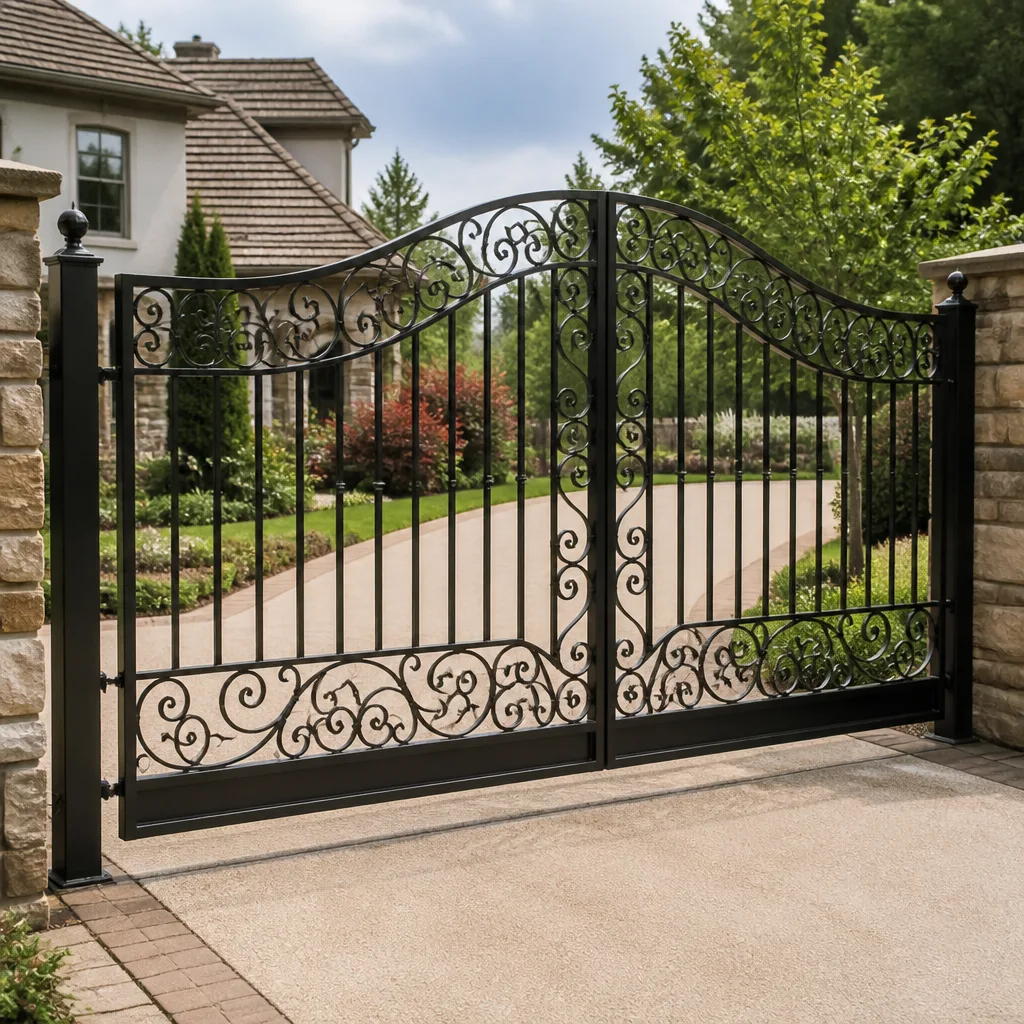 Wrought iron
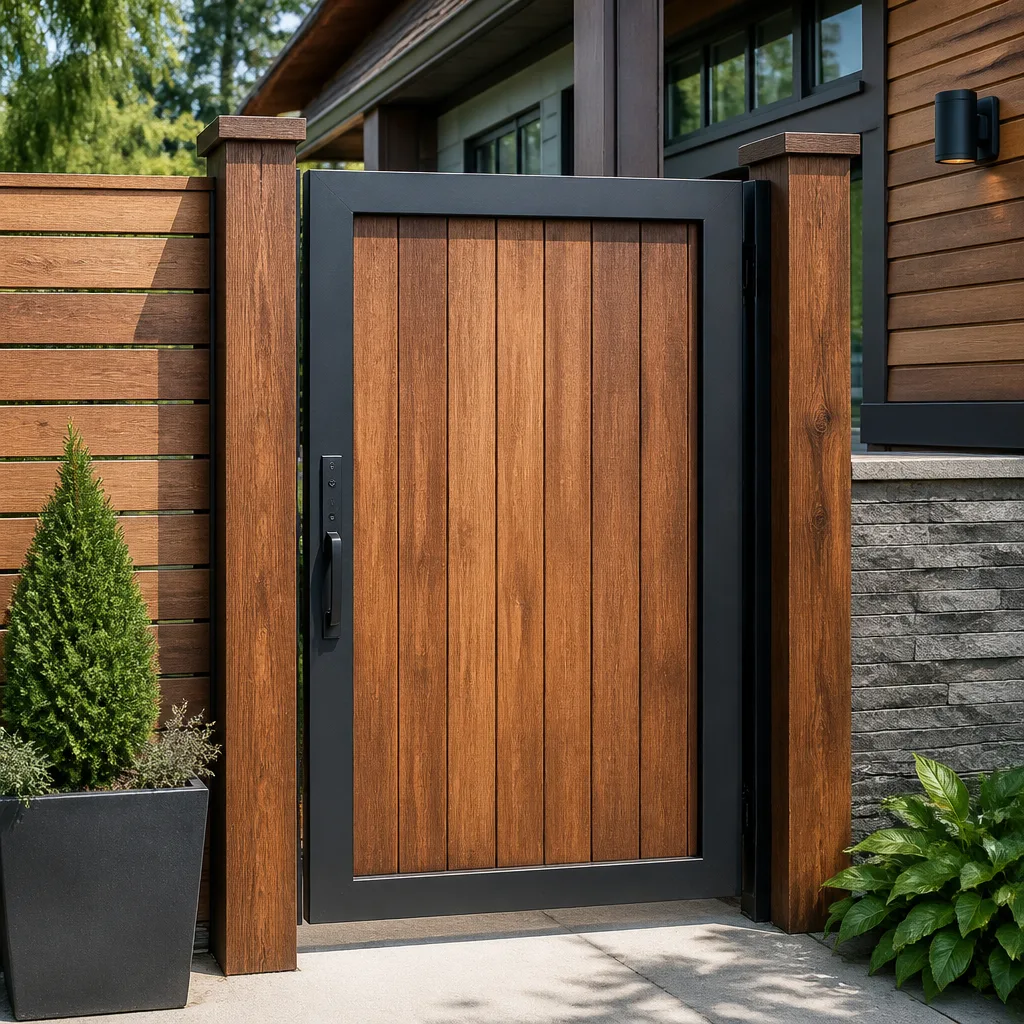 Wood & steel frame
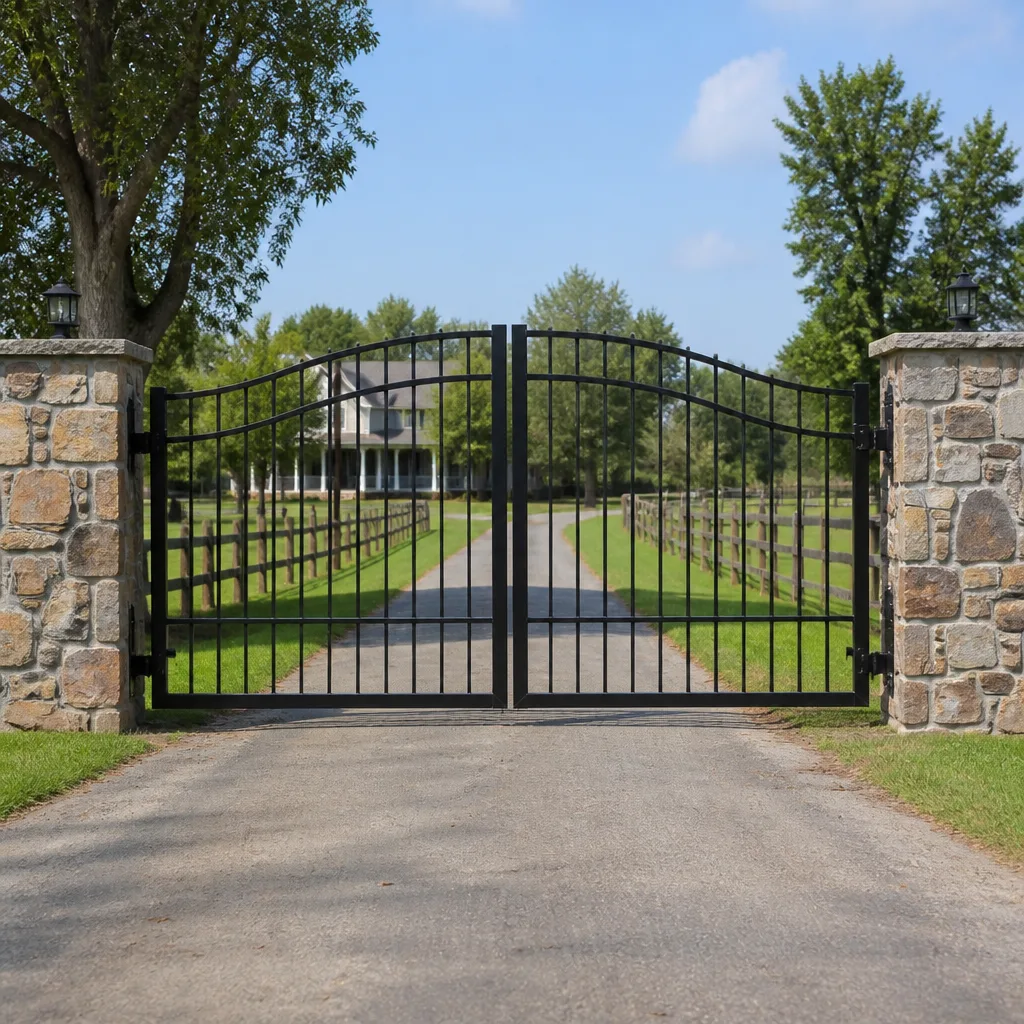 Farm & ranch
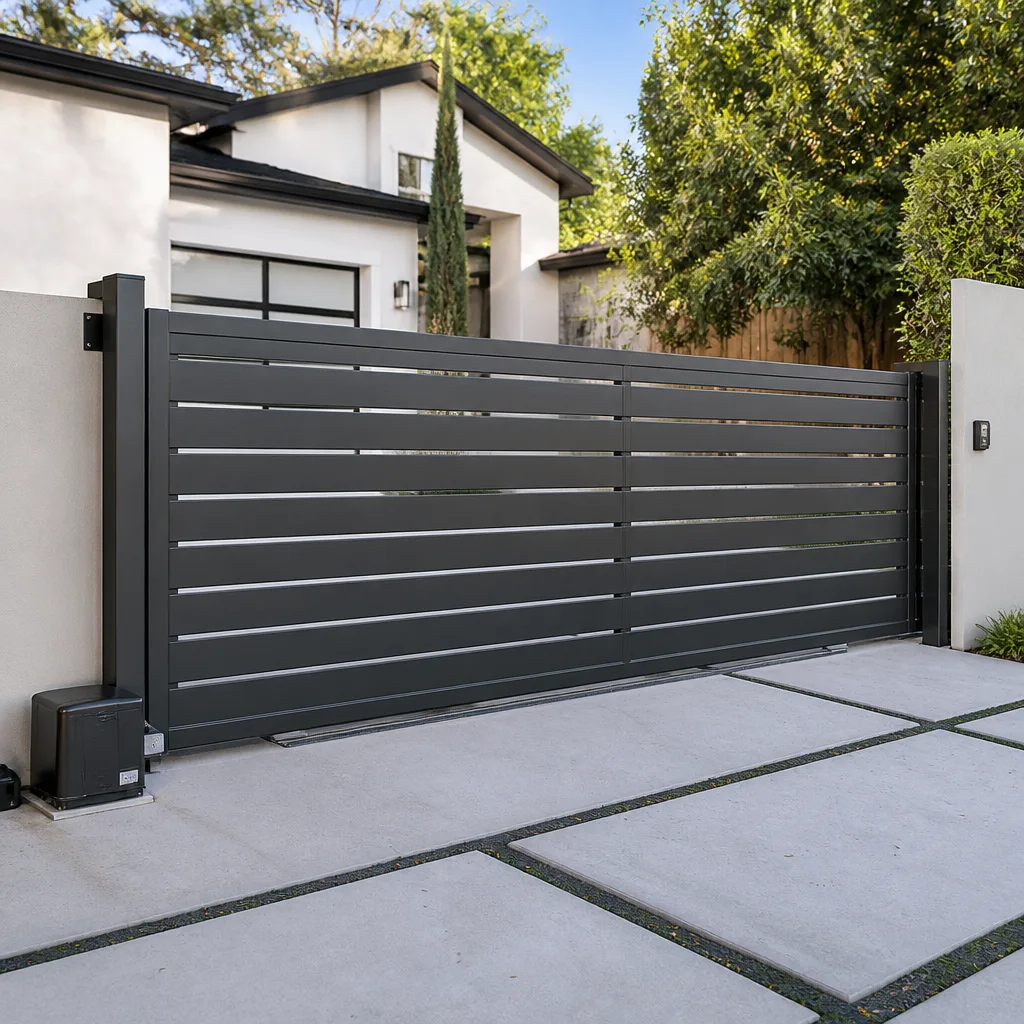 Sliding driveway gates
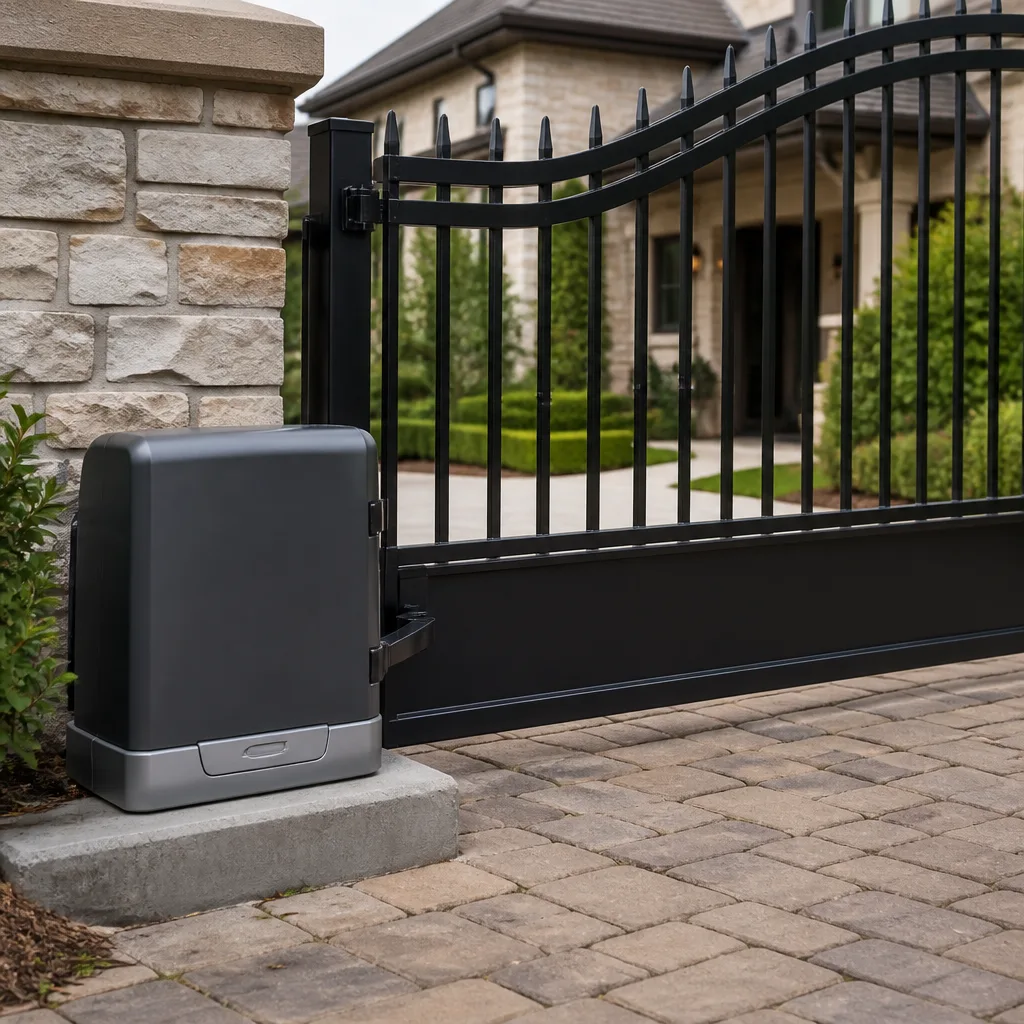 LiftMaster operators
Free on-site gate assessment - hinges, posts, and your LiftMaster or Nice gate operator checked before anything is quoted
The assessment is free and the quote is the invoice.
Get your free estimateGate Repair Warning Signs: A Brooklyn Homeowner’s Reference Guide
Most Brooklyn homeowners don’t call for gate repair when the gate needs it. They call when the gate has already failed, usually on a Monday morning with a stroller in one hand and a MetroCard in the other. The gate that jammed shut last week was sending signals for two months before that. A creak that changed pitch. A latch that needed a little more pressure. A motor that paused half a second longer before engaging. This guide is about reading those signals early, while a repair is still measured in minutes and dollars rather than an emergency replacement. We’ve been providing our Gate Repair services across Brooklyn since 2009, and the failures we see most often are the ones nobody noticed until it was too late.
Quick Answer
The earliest gate repair warning signs in Brooklyn are subtle mechanical changes: a latch that requires more hand pressure, a gate that drags or binds at one point in its swing, fresh rust scale along the bottom rail, or an operator motor that hesitates before engaging. Ignoring these typically leads to complete failure within 30 to 90 days. The fix at the warning-sign stage is almost always less expensive than the repair after the failure.
Styles & brands we work with
Table of Contents
- Eight Early Warning Signs by Gate Type
- Cosmetic Rust vs. Structural Rust: The Five-Second Screwdriver Test
- What a Sagging Gate Reveals About Your Brownstone Masonry
- Cedarwell Latch Symptoms: Spring Wear vs. Frame Misalignment
- The Homeowner Observation Log: A Simple Documentation System
- Brooklyn Climate Factors That Accelerate Gate Wear
- Common Mistakes to Avoid
- When to Call a Professional
The warning signs that matter are not the dramatic ones. A gate that will not open has already failed. What matters is what happens in the 30 to 90 days before that, and those signals are quiet. A homeowner who knows what to look for can catch a worn latch spring, a shifting post, or a corroding bottom rail while the repair is still a one-visit job. This guide was written for Brooklyn homeowners specifically, because our housing stock, our weather, and our gates all behave differently than a suburban development in New Jersey or a planned community in Florida. We’ll tell you what to look for, what it means, and when to call someone. This is the same information we share with our own customers at Latch and Post Gate Repair Brooklyn home, because an observant homeowner makes our first visit faster and the repair less expensive.
Eight Early Warning Signs by Gate Type
Gates in Brooklyn fall into three broad categories: swing iron gates, sliding steel gates, and electric operator gates. Each type fails differently, and each speaks its own language. Here are the early signals, organized by what you own. We’ve kept the descriptions plain, because the point is recognition, not diagnosis.
Swing Iron Gates
These are the classic front gates on brownstones and rowhouses, usually two leaves meeting in the middle, hung on masonry posts or embedded in brick pilasters.
- The latch that asks for two hands. A well-adjusted latch closes with one finger. If you find yourself leaning your hip into the gate or pressing with two hands to get the latch to seat, the strike plate has moved relative to the latch. This is not a lubricant problem. It’s an alignment problem, and it gets worse every week.
- A scrape line on the threshold stone. Look down. If the bottom of the gate has worn a crescent-shaped scrape into the bluestone or concrete, the gate is dragging. Sometimes this is a loose hinge. More often in Brooklyn it’s a post that has shifted in the masonry. The gate leaf is no longer hanging square.
- Rust bubbles beneath the paint at the bottom rail. Iron gates rust from the bottom up. Water wicks into the joints where the pickets meet the bottom rail, and rust starts inside. Bubbling paint is the first visible sign. By the time the paint flakes off, the metal underneath is already losing thickness.
Sliding Steel Gates
These are the driveway gates in Park Slope, Ditmas Park, and Marine Park, the ones that ride on a wheel track with a cantilever or rolling mechanism.
- A rattle at the start of the roll. A sliding gate that makes a sharp rattling sound in the first foot of travel usually has a worn guide roller or a wheel bearing that’s starting to loosen. The rattle is the wheel chattering in the track instead of rolling smoothly. It’s most audible on cold mornings when the steel is contracted.
- The gate slows down noticeably in the middle of its travel. A uniform slow-down across the whole track suggests a tired motor or a low battery in a solar-operated system. A slow-down in one specific spot suggests something physical: a bent track section, debris packed into the track, or a wheel that’s worn flat on one side. Note where it happens. That detail helps a technician narrow the search.
Electric Operator Gates
These are the gates paired with a motor: Ghost Controls and Mighty Mule systems are common on smaller Brooklyn driveway gates, while DoorKing and Elite operators show up on larger commercial and multifamily properties. The warning signs here are in the sound and the rhythm.
- A grinding sound at the start of the motor cycle, before the chain engages. The motor spins up first, then the chain or belt takes up the slack and the gate starts moving. A grinding noise in that brief window means the motor’s internal gear or the drive sprocket is not meshing cleanly. It’s a distinctive sound, like coarse sand in a slow blender. This one is worth a call quickly, because it will only get louder and more expensive.
- The gate reverses on its own without hitting anything. Electric gates reverse when the obstruction sensor detects resistance. If the gate reverses in clear air, the sensor is either misaligned or failing, or the gate’s moving resistance has increased enough to trigger the sensor. Either way, the system is telling you something has changed.
- The operator hums, but the gate moves slower than it did last season. A humming motor with reduced gate speed usually points to a capacitor that’s fading or a gearbox losing efficiency. The motor keeps working, but with less authority. It’s the difference between a strong push and a weak one. If you have to wait for the gate to catch up to its usual position before you pull into the driveway, that’s the signal.
Cosmetic Rust vs. Structural Rust: The Five-Second Screwdriver Test
Rust is the most common concern Brooklyn homeowners raise about iron and steel gates, and most of it is not dangerous. But some of it is, and the difference matters. Here’s how to tell them apart in five seconds with a pocket screwdriver. This is the same test we use on site before we write an estimate.
Cosmetic rust sits on the surface. It’s orange-brown, powdery, and wipes away when you drag a fingernail or a screwdriver tip across it, leaving solid metal underneath. On wrought iron, cosmetic rust often appears where the paint has been chipped by a lock chain or a stroller handle. It looks worse than it is.
Structural rust changes the shape of the metal. Run a flathead screwdriver along the bottom rail. If the tip catches on flakes that peel away leaving a crater, the metal is losing cross-section. If you tap the rail and hear a dull thud instead of a ring, the inside may be hollowed out. In Brooklyn’s coastal air, structural rust on an unprotected gate can reduce a bottom rail to paper thickness in under ten years.
Here’s the practical distinction: if a scratch test leaves a bright metal line, a wire brush, rust converter, and repaint fixes it. If the screwdriver sinks in or flakes off a layer, the section needs replacement. Our team offers Gate Repair in Brooklyn for exactly this scenario, and we’ll show you the difference on your own gate before we quote anything.
What a Sagging Gate Reveals About Your Brownstone Masonry
When a swing gate on a brownstone stoop starts to sag, the visible symptom is a gate leaf that scrapes the landing or refuses to latch. The instinct is to tighten the hinge bolts. That works for about 60 days. Then the sag returns, worse.
The reason is in the anchor. Brownstone facades are soft. The original gate posts were set into brick or brownstone with square hand-cut lag anchors that looked strong but drift over decades. When a gate sags, the hinge itself is often fine. The anchor is pulling out of the masonry, or the masonry around the anchor has crumbled. Brooklyn’s freeze-thaw cycles do the rest. Water gets into the anchor hole, freezes, expands, and cracks the stone from the inside.
Tightening hinge bolts without addressing the anchor compresses the loose stone back into place temporarily. Then the first heavy swing of the gate works it loose again. The proper fix is to remove the gate leaf, drill out the degraded anchor, set a new anchor in epoxy or mechanical fixative, and only then re-hang and align the gate. It’s a longer job than tightening bolts, but it’s the only repair that lasts. This is the difference between Gate Installation in Brooklyn work done correctly and a fast patch job that fails again.
Cedarwell Latch Symptoms: Spring Wear vs. Frame Misalignment
The name Latch and Post comes from a simple idea: every gate comes down to two parts, the latch that holds it and the post that carries it. That’s the job we focus on. And the latch is where most homeowners first notice something wrong.
Here’s a diagnostic problem we see every month in Brooklyn. A latch that’s hard to close means one of two things: the internal spring mechanism is worn, or the gate frame has shifted out of alignment. From the outside, the symptoms look identical. The latch sticks. You have to push harder. Sometimes you have to lift the gate handle. But the repairs are completely different.
Worn spring mechanism. The latch is a small cylinder with an internal spring that returns the bolt. When that spring fatigues, the bolt doesn’t snap back with authority. You’ll feel a loose handle and a weak bounce when you release it. The repair is contained: disassemble the latch, replace the spring or the entire latch body, reassemble. One hour on a standard Cedarwell latch.
Frame misalignment. The spring is fine, but the bolt no longer lines up with the strike plate because the gate leaf has dropped or shifted. You’ll feel the same stiffness, but the handle still has a crisp spring return. The tell is a fresh scratch on the strike plate or a visible gap between the leaf and the frame. This repair involves re-aligning the gate, not just the latch.
Misdiagnosis costs homeowners money. A technician who sees a stiff latch and replaces only the latch will get called back in a month when the misalignment persists. A technician who sees misalignment and ignores a failing spring gets the alignment right and leaves the gate latching quietly but with a sloppy handle. We train our technicians to check both, because in Brooklyn’s older gates they usually fail together.
The Homeowner Observation Log: A Simple Documentation System
The single most useful thing a homeowner can do is write down what they notice, when they noticed it, and what the weather was doing. A gate problem is rarely a single event. It’s a progression. Documenting that progression gives a repair technician something we rarely receive: a timeline. For more guides & resources, see our blog.
Here’s a simple log template. Use it for two weeks and you’ll have more diagnostic information than most of our first site visits receive.
- Date and approximate time of day. Warm midday and cold morning are different conditions. A gate that binds at 7 a.m. in January but swings fine in the afternoon is telling us about thermal contraction, not a failed hinge.
- The observation. One sentence. “Gate sticks at latch when closing from full open.” “Scraping sound from bottom hinge.” “Operator hesitates two seconds before moving.”
- Weather conditions. Temperature, rain, snow. Brooklyn’s winter freeze-thaw cycles affect gate operation measurably.
- Photo filename. Take a photo on your phone. Note the filename in the log so the images are sequenced by date rather than scattered in your camera roll.
- Any action taken. Lubricated hinges with WD-40 (note: WD-40 is not a lubricant; more on that below). Tightened a bolt. Called a technician.
This log does two things. It tells us whether a problem is progressive, which separates a minor adjustment from a failing component. And it gives us a record of what’s been tried, which prevents us from spending your money testing the same fixes twice. When you call Electric Gate Repair in Brooklyn and before we schedule the visit, spend ten minutes pulling together whatever notes you have. It shortens the diagnosis and keeps the invoice smaller.
Brooklyn Climate Factors That Accelerate Gate Wear
Brooklyn’s weather is unique among East Coast cities, and it shapes how gates fail here. We’re surrounded by water on the west and south, which means salt air and high humidity. We get winter freeze-thaw cycles that work on stone and masonry like a slow hammer. And our summers bring sudden downpours followed by 90-degree heat that bakes moisture into every joint.
Salt air. The neighborhoods closest to the water, Bay Ridge, Coney Island, Sheepshead Bay, Red Hook, deal with salt that accelerates corrosion far faster than inland areas. Iron gates in these neighborhoods need rust inspection twice a year, not once. The salt doesn’t just sit on the surface. It mixes with humidity and migrates into every scratch and joint.
Freeze-thaw cycles. Brooklyn hovers around freezing more days than many homeowners realize. Each freeze pushes moisture deeper into stone and concrete. Each thaw releases it. Over a winter, that cycle can loosen a gate post anchor by a sixteenth of an inch. Over five winters, that’s the difference between a gate that latches and a gate that sags.
Humidity and iron. Unpainted iron in Brooklyn develops surface rust within weeks. Painted iron holds for years if the paint is intact, but one chip in a bottom rail is enough to start the process. We recommend touching up paint chips on iron gates before winter when we work on neighbors’ gates. Waiting until spring gives the rust a full season to establish.
Common Mistakes to Avoid
Some of these are things Brooklyn homeowners do unintentionally. Others are things we’ve watched well-meaning neighbors do and paid to fix afterward. All are avoidable.
- Using WD-40 on gate hinges. WD-40 is a water displacer, not a long-term lubricant. It washes away in rain and leaves hinges drier than before. Use a silicone-based lubricant or a dry graphite spray on metal hinges and latches. We’ve seen gates that were lubricated monthly with WD-40 still seize, because the protection was never there.
- Tightening hinge bolts on a sagging gate without checking the anchor. As covered above, this buys about 60 days and often makes the eventual repair worse by further degrading the masonry around the anchor.
- Ignoring a slow electric gate operator. A fading capacitor or worn gearbox doesn’t heal. It works harder, draws more current, and eventually trips a breaker or burns out a motor. A slower gate is a louder warning than most people realize.
- Painting over rust without addressing it. Paint seals rust in. It looks fine for a season, then the rust blooms through and the paint peels in sheets. Use a rust converter first, then prime, then paint. The extra step adds one hour and extends the repaint cycle by years.
- Adjusting an electric gate’s limit switches by guesswork. Modern operators from Ghost Controls and DoorKing have precise limit settings. Changing them without knowing the motor’s travel parameters causes the gate to slam, short-cycle, or stall. This is a real safety hazard with a moving steel panel.
- Leaving a broken gate leaf propped open with a brick or a rope. We see this on stoops all over Bed-Stuy and Crown Heights. The temporary prop becomes a permanent feature, the gate’s weight rests on a single point, and the frame twists gradually out of square. Call for repair before the prop becomes part of the gate.
When to Call a Professional
Some gate symptoms are a Saturday afternoon fix with a can of lubricant and a hex key. Others need a trained technician with the right tools and experience. Here’s the line. Call a professional when the gate is sagging visibly off its frame, when the latch won’t hold even after cleaning and lubricating, when an electric operator grinds or reverses on its own, or when you see structural rust that flakes away under a screwdriver. These are not adjustment problems. They’re component failures in progress, and they get more expensive the longer they wait. Latch and Post Gate Repair offers free estimates in Brooklyn, and every estimate includes a written price before any work begins. Call (934) 649-3673 to schedule.
See the difference
 Before
 After
After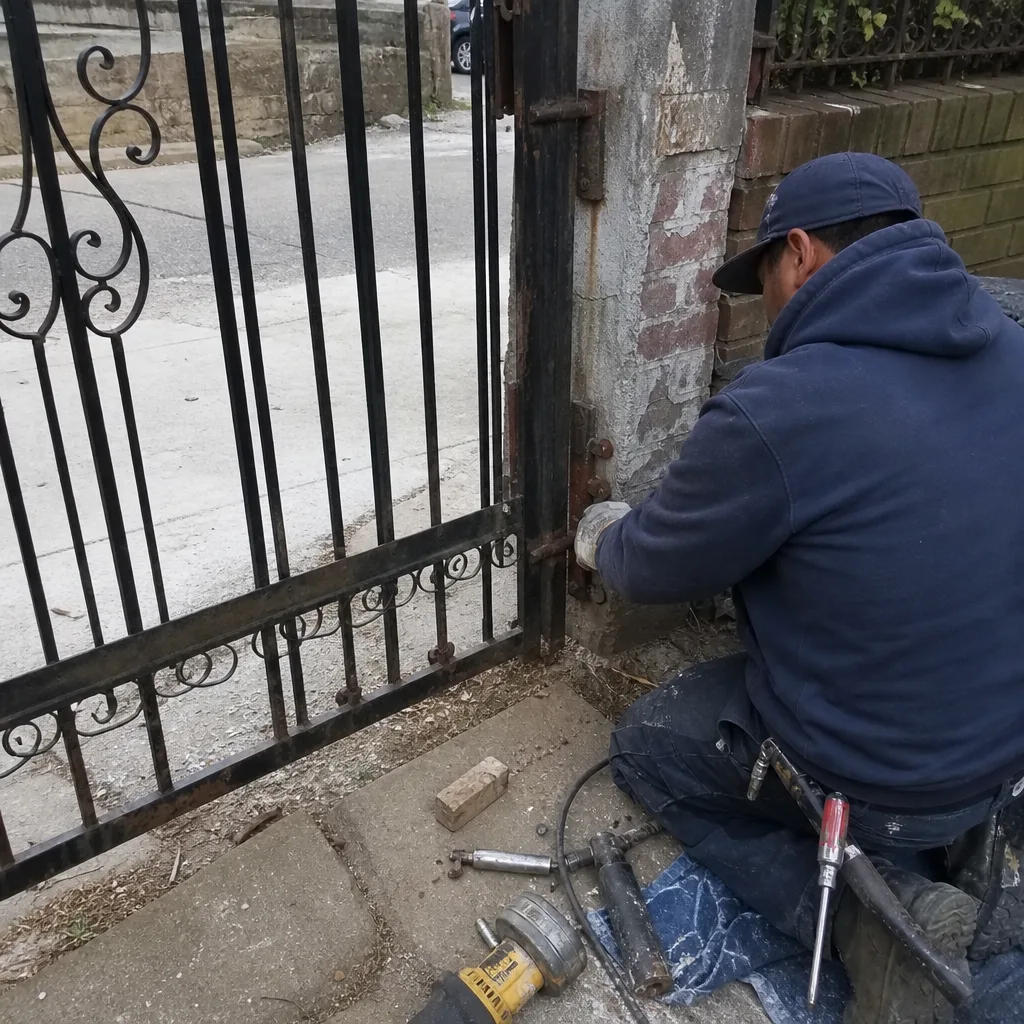 Before
 After
After Before
 After
AfterFrequently Asked Questions
Most standard gate repairs in Brooklyn fall between $180 and $450. Latch replacements, hinge adjustments, and minor weld repairs typically run at the lower end. Operator gearbox replacements and full post anchor resets run higher. Latch and Post Gate Repair gives you a written price before any work starts, always. Call (934) 649-3673 and we’ll send someone to assess your gate and give you an exact number in writing.
Many latch and hinge repairs can be completed the same day we inspect the gate, because we stock common latch assemblies and hinge parts on our trucks. Larger repairs involving operator parts may take one to two days if a specific Ghost Controls or DoorKing component needs to be ordered. Call us in the morning and we’ll tell you honestly whether a same-day visit is possible in your neighborhood.
A full installation includes removal of the old gate, a written site plan, anchor setting in masonry or concrete, gate hanging and alignment, latch installation, and full cleanup. If the gate is electric, it also includes operator mounting, safety sensor placement, and limit setting. We lay drop cloths on the floor and wear shoe covers on every visit, including installations. Our team handles Gate Installation in Brooklyn from the first measurement to the final cleanup photo.
Yes. For electric gate repair and new electric gate installations, we handle the low-voltage power run from the house or garage to the operator, and we install or replace safety edges and obstruction sensors. Electric gates in Brooklyn require proper grounding and weatherproofing because our winters are wet. We test every safety circuit after installation.
Yes, and masonry care is the part of this work most people don’t think about until they see a cracked facade. We set new anchors with expanding mechanical or epoxy systems that hold in aged brownstone without over-tightening. We protect the surrounding stone with painter’s tape and use controlled drilling at low speed. Our technicians are trained to treat the building like it’s our own, because for the time we’re working on it, it is.
For a standard swing gate on a brownstone, once a year is enough. For electric gates, twice a year, in spring and fall, because the operator’s moving parts and safety sensors are in constant use. Gates within half a mile of the harbor should be inspected twice a year regardless of type, because salt air is a year-round effect. We provide inspections as part of our gate repair service, and we’ll tell you what needs attention before it becomes a repair. See our Seasonal Gate Repair Care for Brooklyn: Year-Round Homeowner’s Guide for timing recommendations.
The Bottom Line
A gate talks before it fails. The latch that needs two hands. The scrape line on the stone. The motor that hesitates. The rust bubble under the paint. Each of these is a message, and the message is usually specific: a spring is tired, a post has shifted, a gear is grinding. Brooklyn homeowners who learn to read these messages catch repairs at the $200 stage instead of the $1,200 stage. And a simple log takes the guesswork out of diagnosis when you do call a technician. The gate on your house is doing its job quietly until it isn’t. Now you’ll know what it’s saying.
Written by Cody Beckman, Owner at Latch and Post Gate Repair Brooklyn, serving Brooklyn since 2009.