
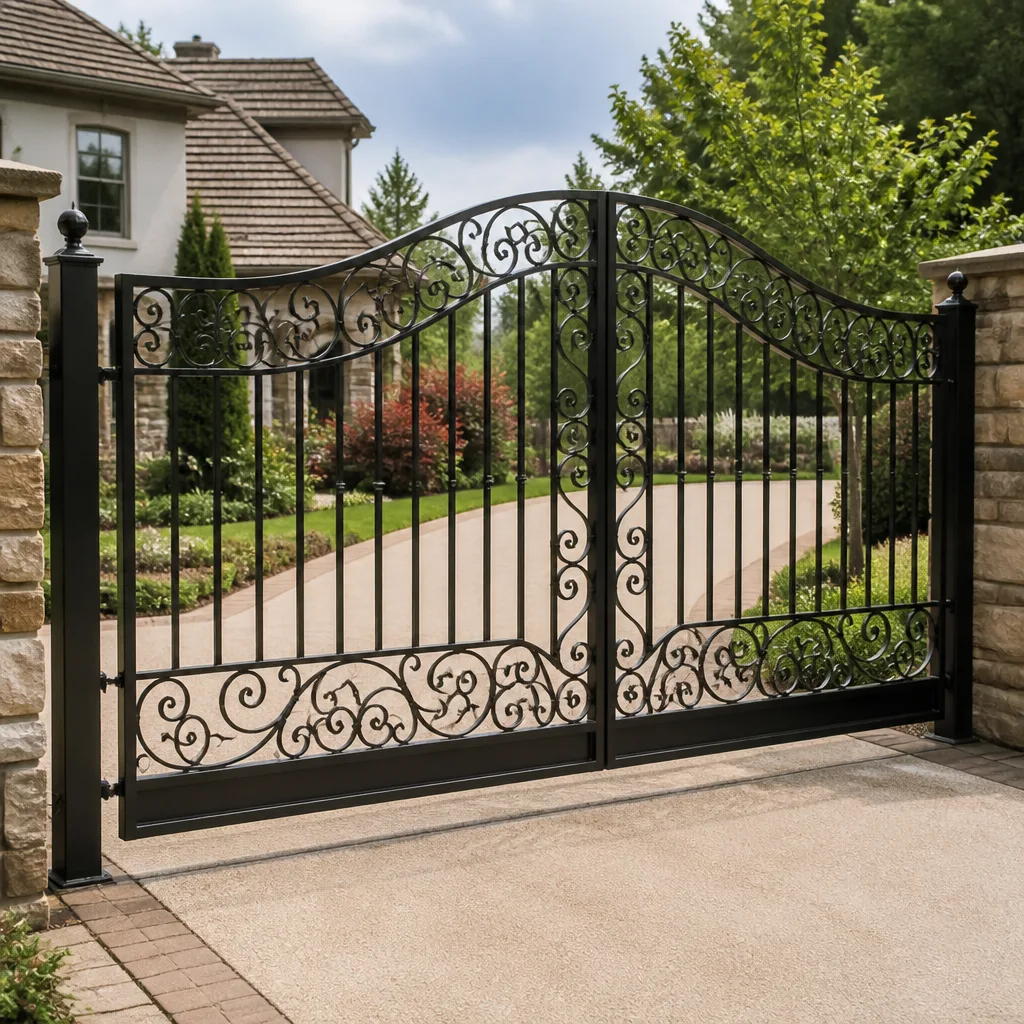
 Wrought iron
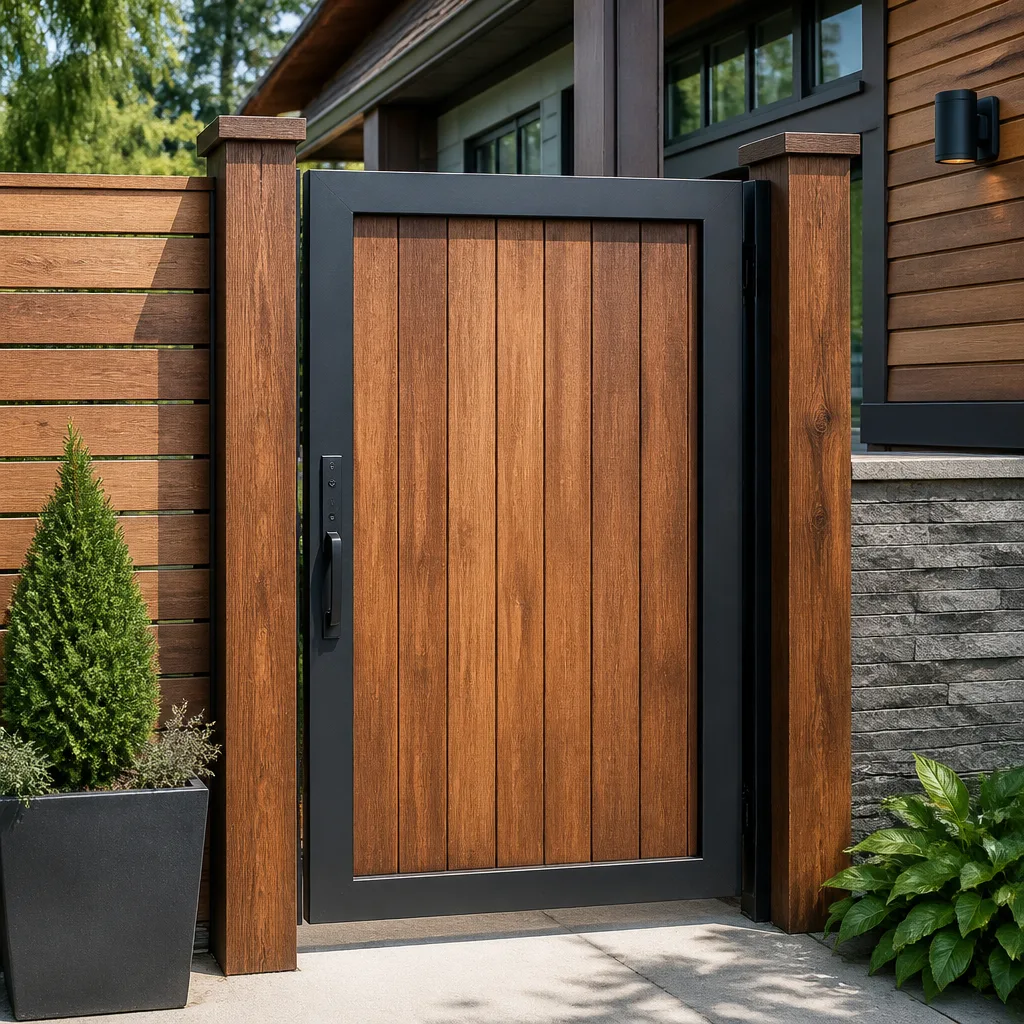 Wood & steel frame
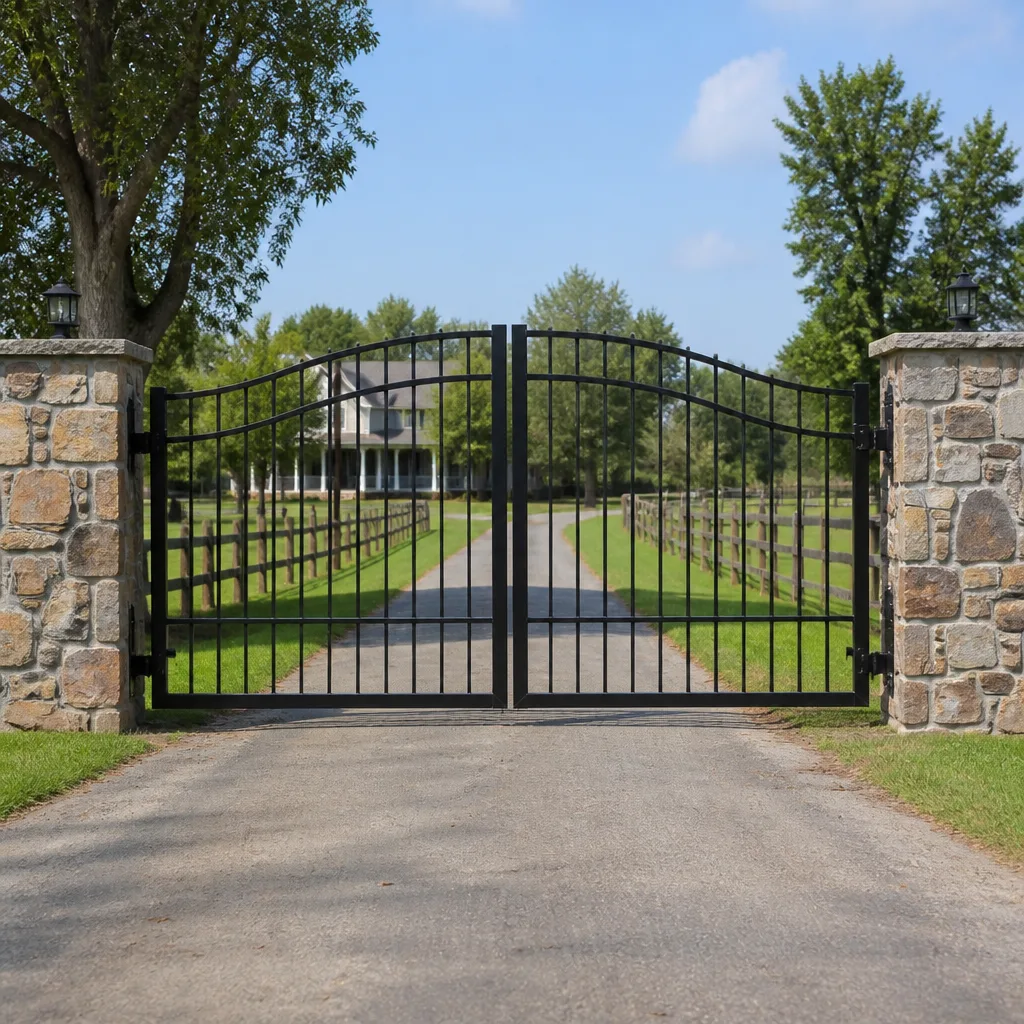 Farm & ranch
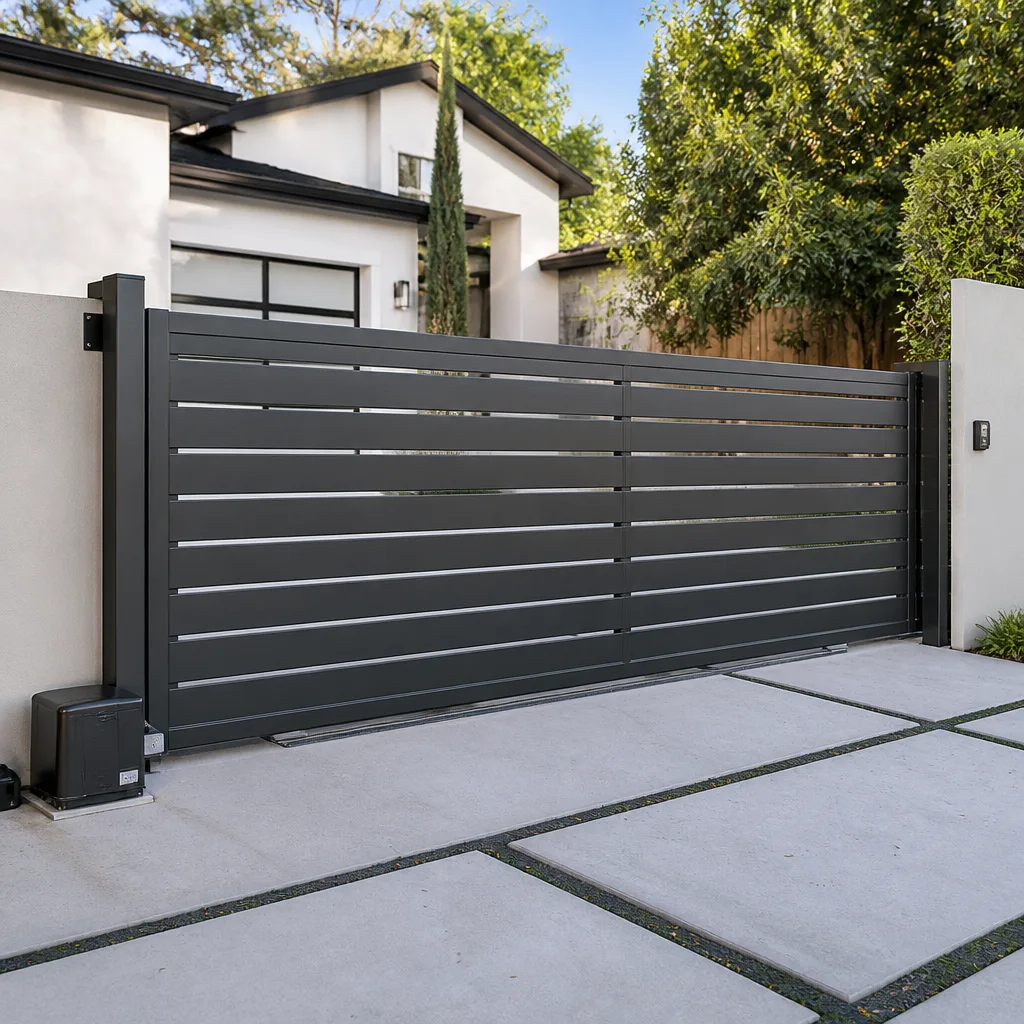 Sliding driveway gates
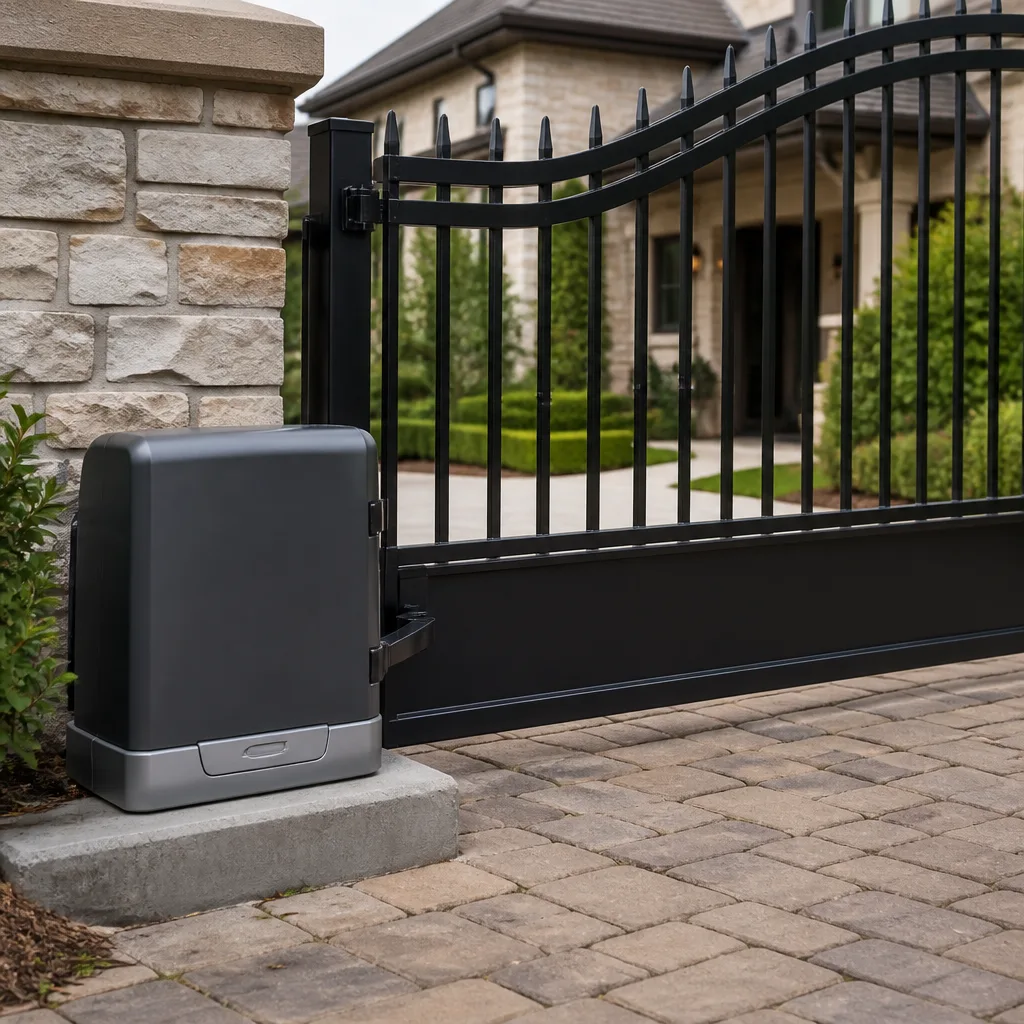 LiftMaster operators
Free on-site gate assessment - hinges, posts, and your LiftMaster or Nice gate operator checked before anything is quoted
The assessment is free and the quote is the invoice.
Get your free estimateDoorKing Welding & Fabrication: The Brooklyn Owner’s Guide
We stock and install DoorKing-compatible welding and fabrication parts at Latch and Post Gate Repair Brooklyn, with most jobs running between $240 and $680 installed depending on the bracket, hinge assembly, or gate frame repair needed. A same-week appointment is typical for parts we keep on the truck, and many welding jobs are done in a single visit. Most Brooklyn owners discover the problem the same way: the gate starts sagging toward the latch side, a weld point shows a rust line that wasn’t there last winter, or the gate makes a grinding sound as it moves because a fabricated mount has shifted out of alignment.
Which DoorKing Models This Applies To
DoorKing builds gate operators, but the welded and fabricated components around them are usually the points of failure: the operator mounting pedestal, the gate bracket that connects the operator arm to the gate leaf, the hinge plates welded to a steel post, and fabricated steel gates that DoorKing operators are often paired with. This applies to DoorKing 6002, 6100, 6300, and 9050 series installations, plus the older 1500-series slide operators still running in Brooklyn backyards. The compatibility gotcha we see most often is the gate bracket: DoorKing operators use a specific clevis pin diameter, and a bracket drilled or welded slightly off from the operator’s range of travel will bind the arm and burn out a motor in months. We always verify the bracket’s fit against the operator arm before welding anything in place. For the decision between OEM and aftermarket: DoorKing’s own fabricated brackets are built for their arm geometry, but a well-made local fabrication from a Brooklyn shop often outlasts the OEM part in coastal air because we can spec a heavier gauge and a better rust coating. The label is the fastest way to know what you’re working with: the model number is stamped on a plate on the operator’s cover, and the gate post usually carries the installer’s weld marks if it was field-fabricated.
Styles & brands we work with
Signs Your DoorKing Welding & Fabrication Is Failing
- The gate sags toward the latch side by a half-inch or more. This means a hinge weld has stretched or cracked, or the fabricated hinge plate is wearing around the pin. Left alone, the gate leans harder and transfers that load into the operator, which isn’t built to carry a gate’s weight.
- A rust line runs along a weld bead, especially near the bottom of the post. Brooklyn’s winter salt spray and summer humidity are hard on mild steel. The weld is almost always the first place moisture attacks because the heat-affected zone is more porous than the surrounding metal.
- The operator arm binds or chatters mid-stroke. When a welded bracket moves even an eighth of an inch, the arm arcs differently and fights the motor. This often sounds like a clicking or groaning from the operator, not the gate itself.
- The post moves when you push the gate by hand. That’s a post weld that has let go at the base plate, or a base that was never fabricated thick enough for the gate’s weight. In Brooklyn freeze-thaw cycles, water gets under the plate, expands, and works the welds loose every winter.
- Paint flakes off in straight lines along a weld seam. That’s usually a sign the weld is flexing under load, cracking the paint from underneath. It’s the earliest visual warning that a fabricated joint is fatiguing.
See the difference
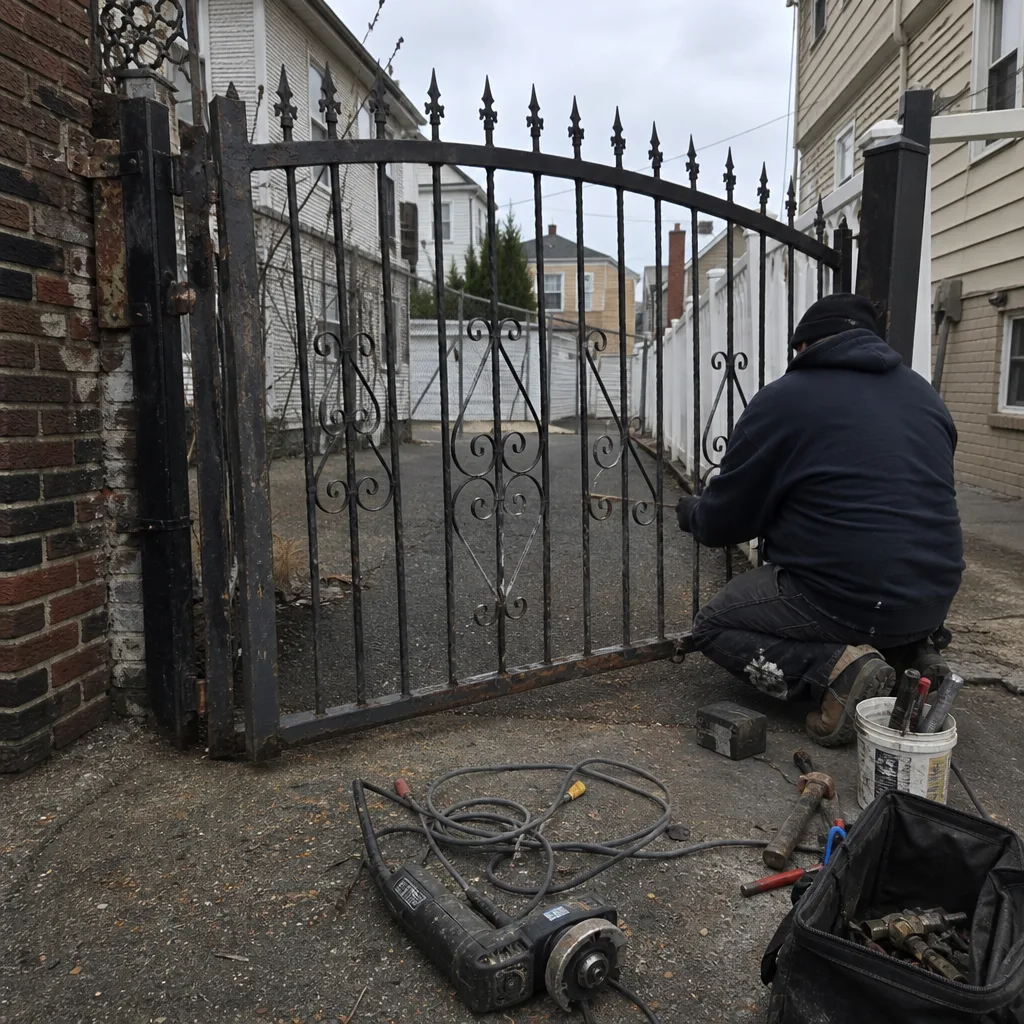 Before
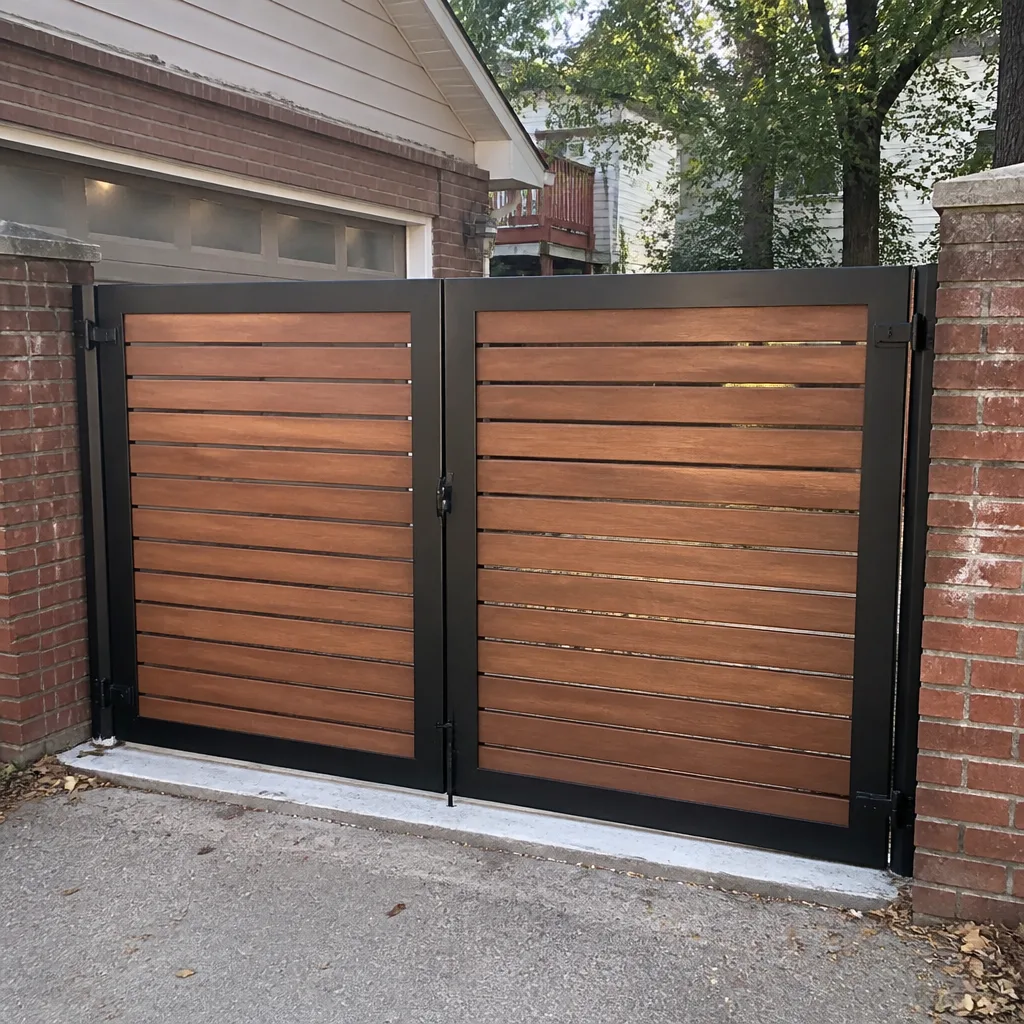 After
After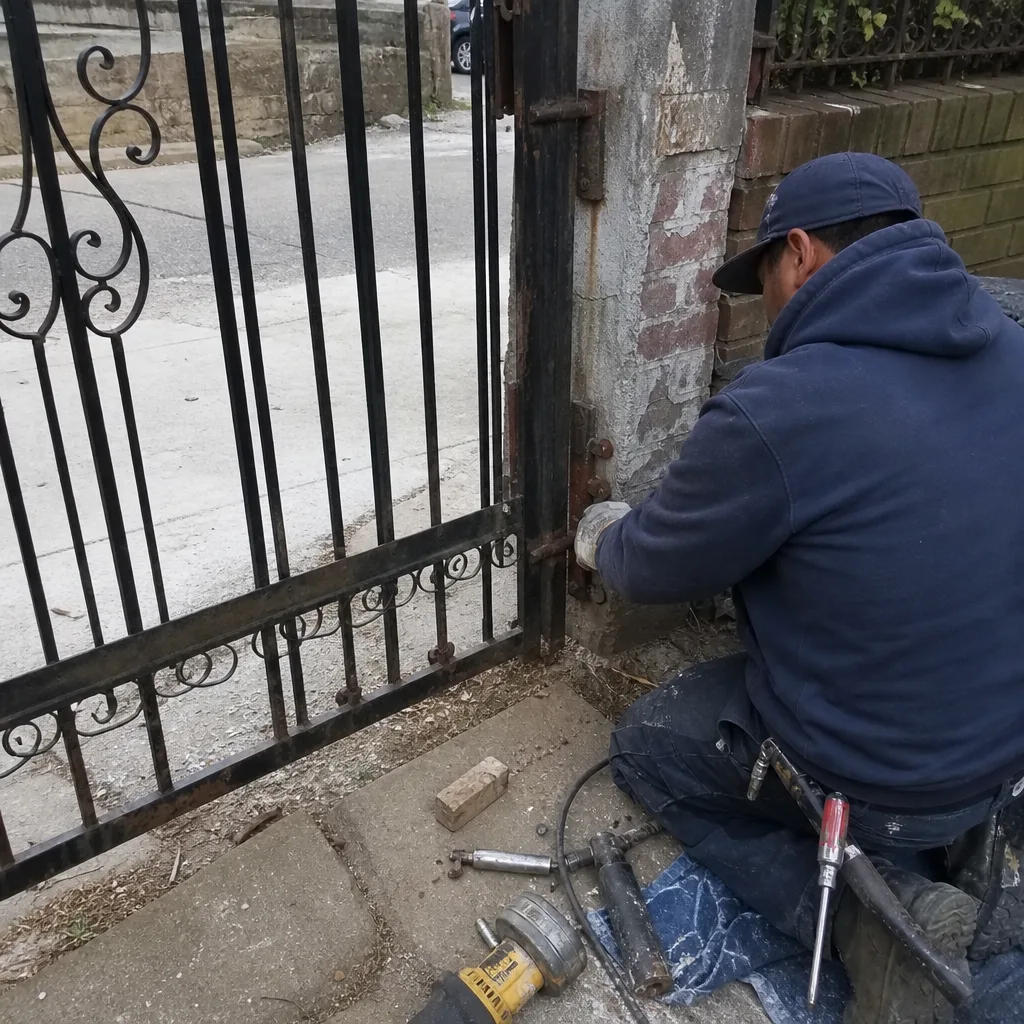 Before
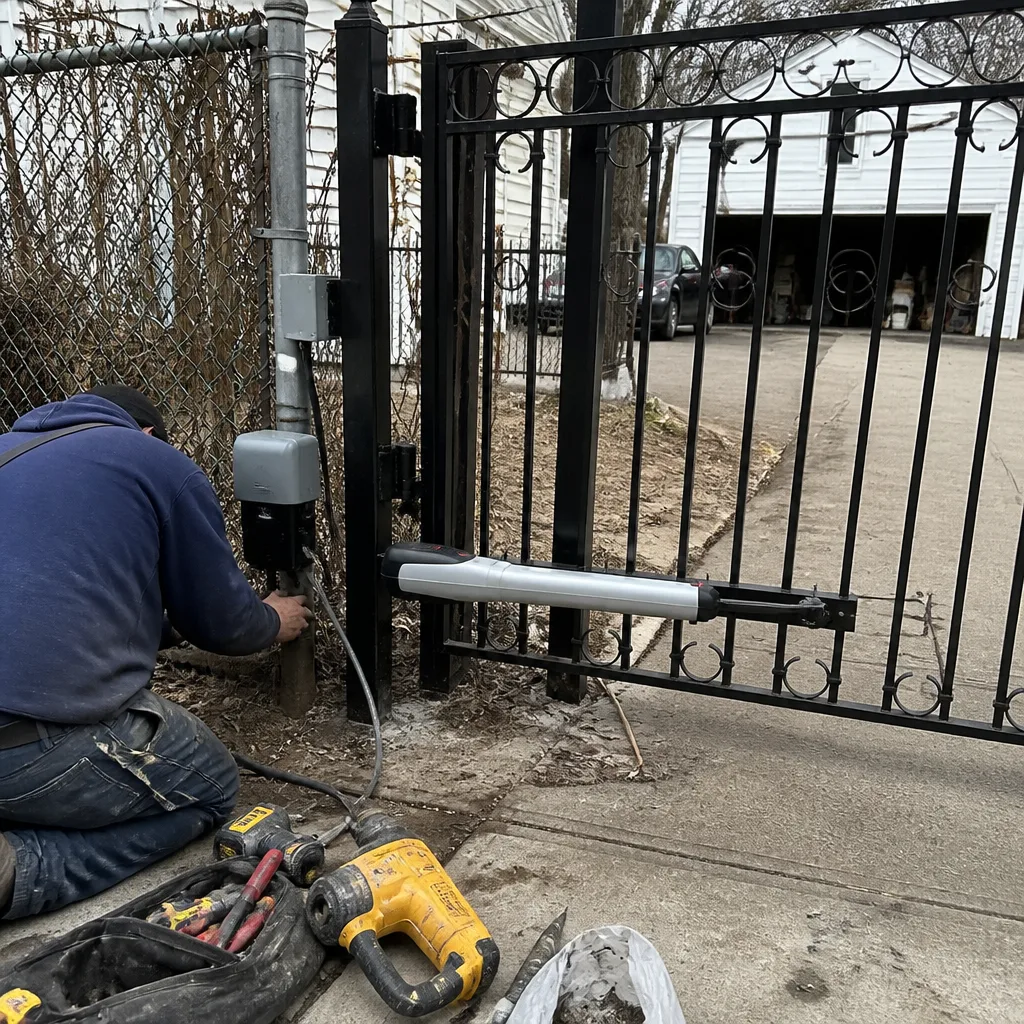 After
After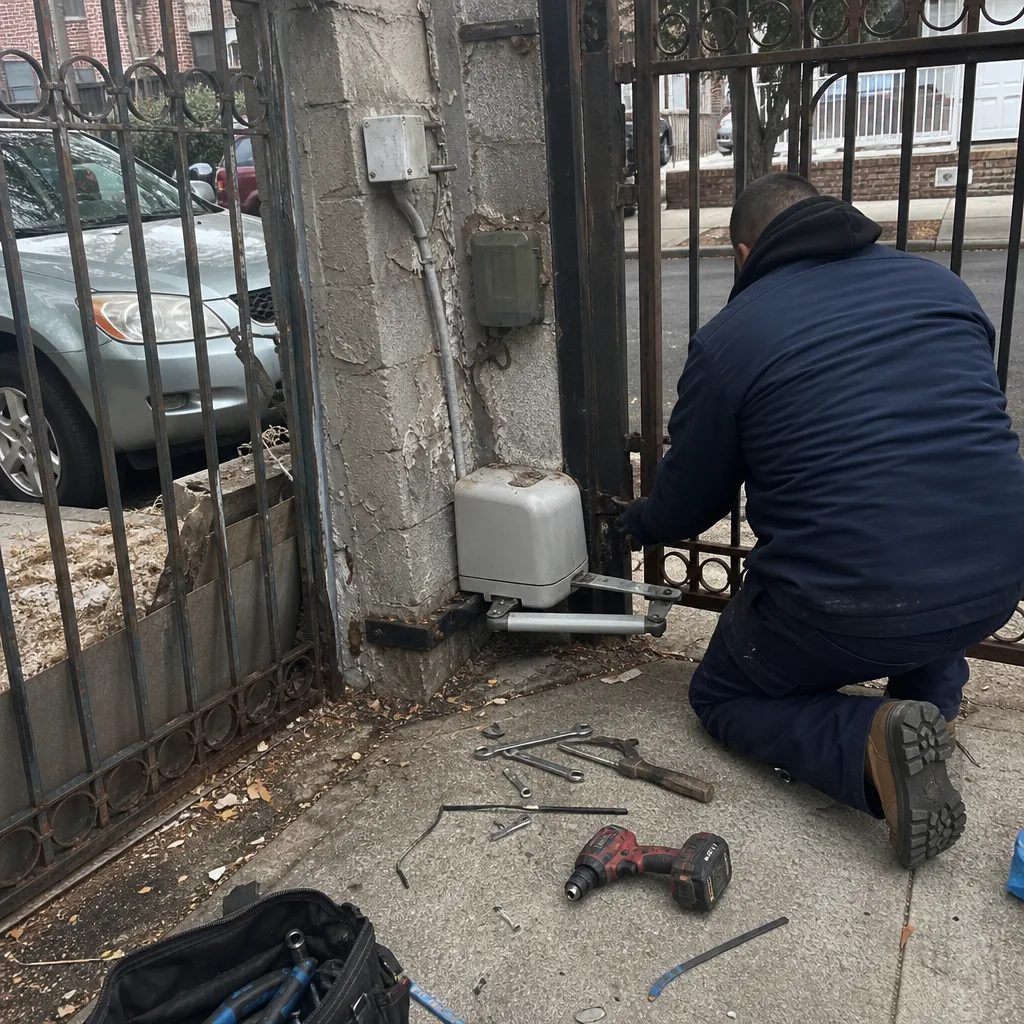 Before
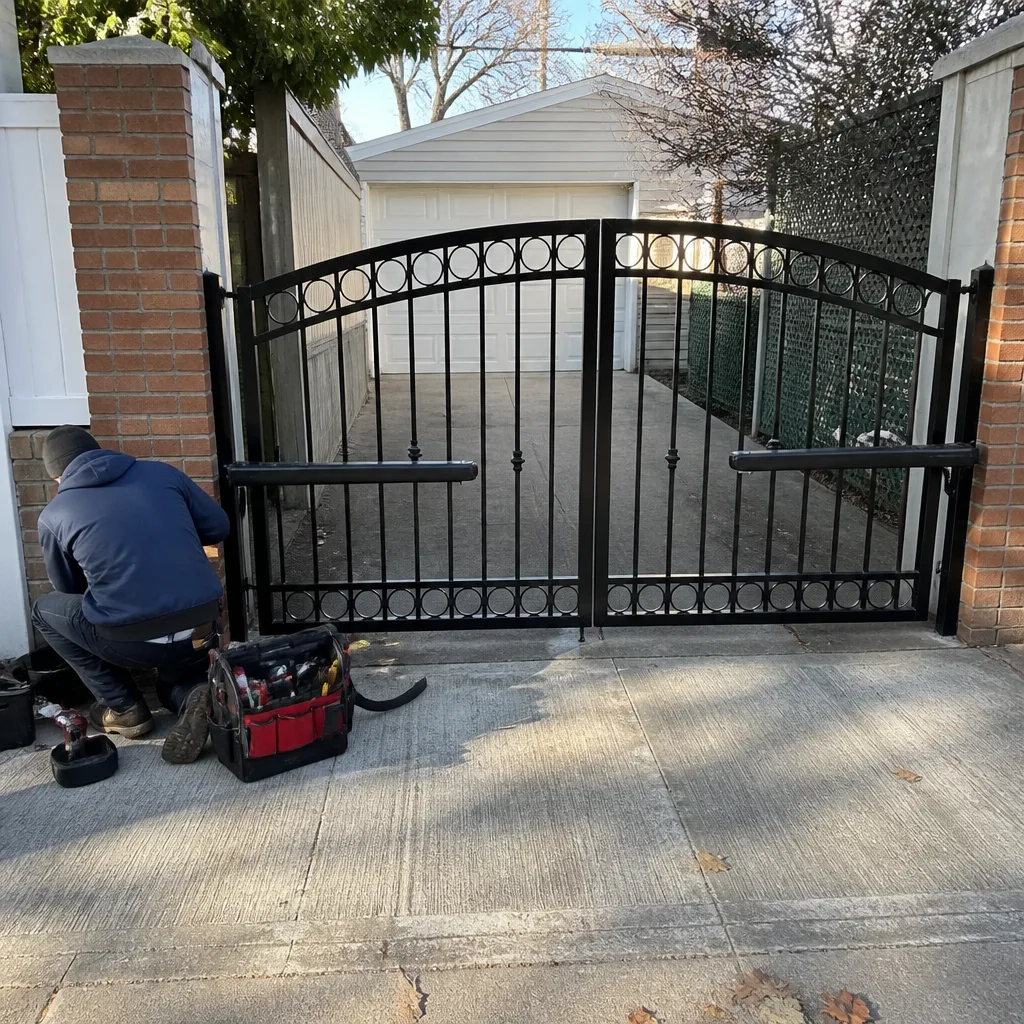 After
AfterReplacement Cost & What’s Included
Most DoorKing welding and fabrication repairs in Brooklyn run between $240 and $680 installed. On the low end, that’s a single hinge plate re-weld or a gate bracket replacement. On the higher end, it’s extracting a rusted post base, fabricating a new gusseted plate, and re-welding the post true to plumb, then re-hanging the gate. Every job includes the written price before we touch anything, and that number doesn’t change unless we uncover something you’ve approved us to fix. Labor, materials, and on-site grinding and touch-up paint are all in the quote. The work is covered by the 365-Day Done Right Promise: if a weld or fabrication isn’t right, we make it right. No argument, no fine print.
DIY or Call Us?
You can do a useful inspection yourself: look for rust lines at the weld beads, measure the sag at the latch with a tape measure, and check whether the post has shifted a quarter-inch by eyeing the gap at the base plate. What we recommend against is the actual welding or grinding. A failed weld on a moving gate that weighs hundreds of pounds is dangerous to work on without a proper stand, and if the operator is still connected, the gate can move unexpectedly when the arm releases. Additionally, welding near the operator’s control wiring without disconnecting it properly can fry a board. Most Brooklyn basements have a welding rig, but that’s the wrong tool for this. If the sag is under a half-inch and the welds look clean, a latch adjustment might be all you need, and that’s a quick call at (934) 649-3673. If you see a crack or a rust bloom at the weld, call us to assess it before the gate gets heavier than the operator can handle.
FAQs
Ten to fifteen years is typical for a well-fabricated, properly painted mild-steel weld in Brooklyn, though we’ve seen forty-year-old welds still holding because the gate was overbuilt and the paint stayed intact. The lifespan drops quickly if the weld was undercut, the paint was thin, or the gate sits near the street where road salt spray reaches it every winter. We often apply a zinc-rich primer and a two-part topcoat on any weld we make and the steel around it to get the most honest lifespan out of the repair.
It depends on where the crack is. A crack through the middle of a gate bracket can be ground out, re-welded, and reinforced with a gusset. A crack at the pivot hole, or a hole that’s egged out from years of an off-center arm, means the bracket is finished and replacement is the only fix that will hold. We evaluate the metal’s thickness with a gauge before recommending anything, so you’re not paying to re-weld a part that’s already thin.
Most on-site welding and fabrication jobs are done in two to four hours. A single bracket replacement is closer to two. A full post base re-fabrication with re-hanging the gate and touch-up paint is closer to four. We set up drop cloths to protect your walkway or garage floor from grinding sparks, and we send a photo of the clean-up before we leave.
We carry the most common DoorKing gate brackets, clevis pins, and fabricated hinge plates on the truck for the 6002, 6100, and 9050 series, and we can usually fabricate a custom bracket or gusset same-day with the steel we carry. For heavier plate work, we bring what’s needed based on the measurements you send us before the visit. We also keep parts on hand for LiftMaster, Mighty Mule, and Ghost Controls operators, since Brooklyn gates often change owners and get re-motored over the years.
If your gate is sagging, grinding, or showing a rust line at a weld, call Latch and Post Gate Repair Brooklyn at (934) 649-3673 for a free estimate. Cody Beckman and our team are glad to look at it, tell you what’s actually failing, and give you a written price before any work begins.
Written by Cody Beckman, Owner, Latch and Post Gate Repair Brooklyn at Latch and Post Gate Repair Brooklyn, serving Brooklyn and nearby areas.