
Last updated October 17, 2026
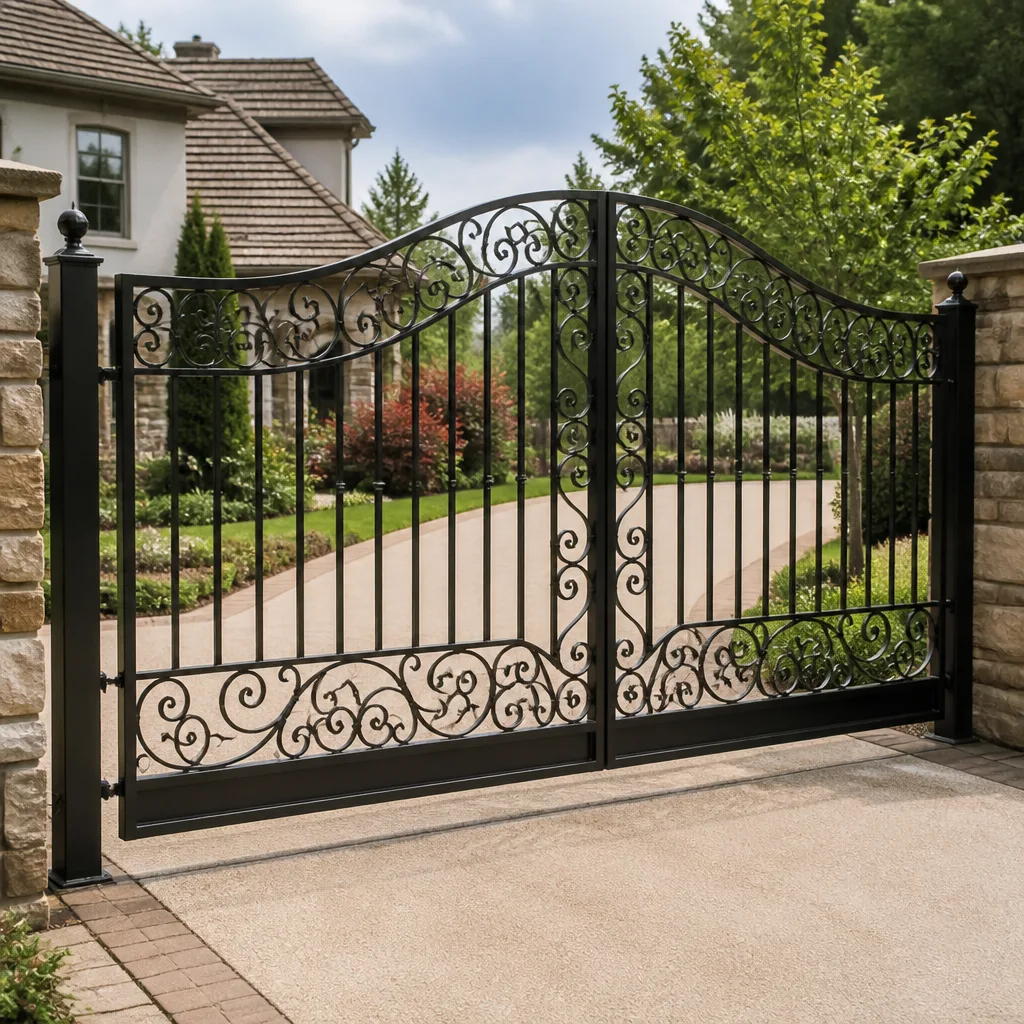 Wrought iron
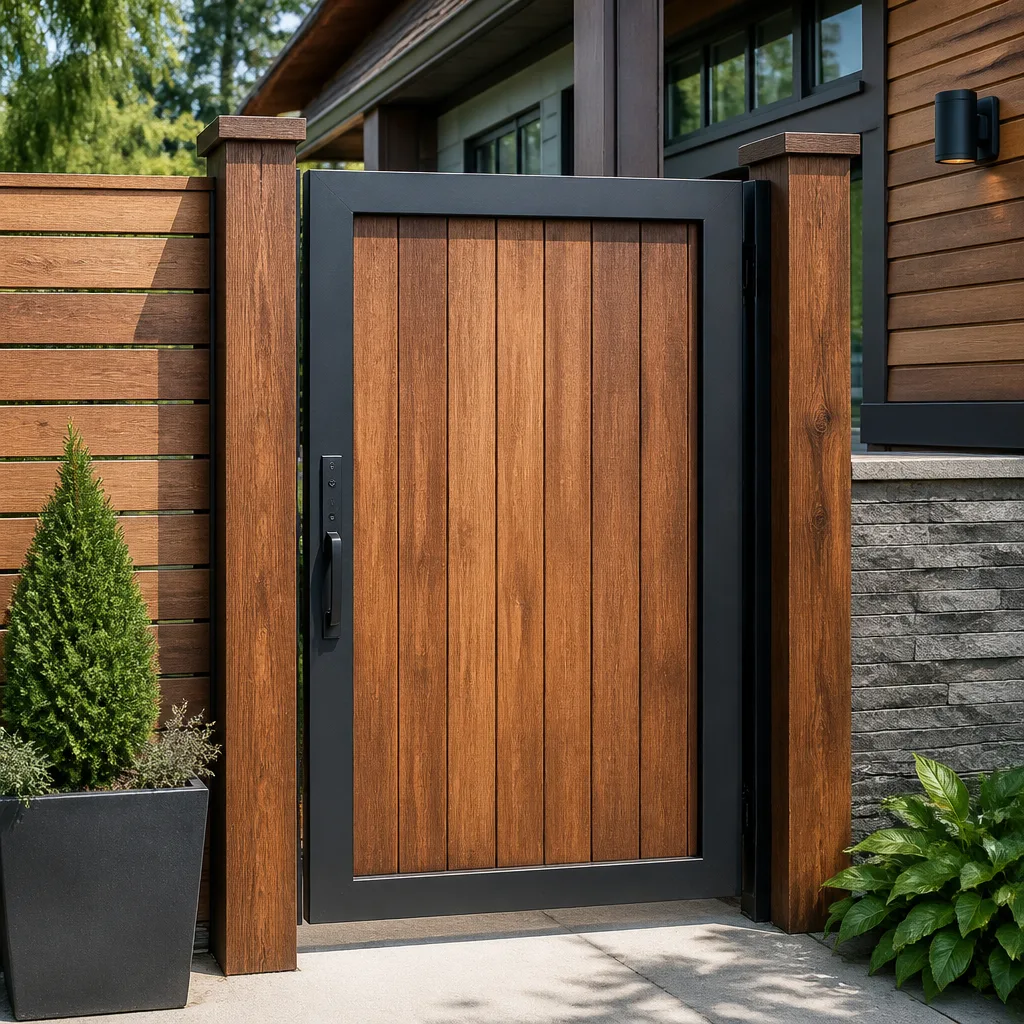 Wood & steel frame
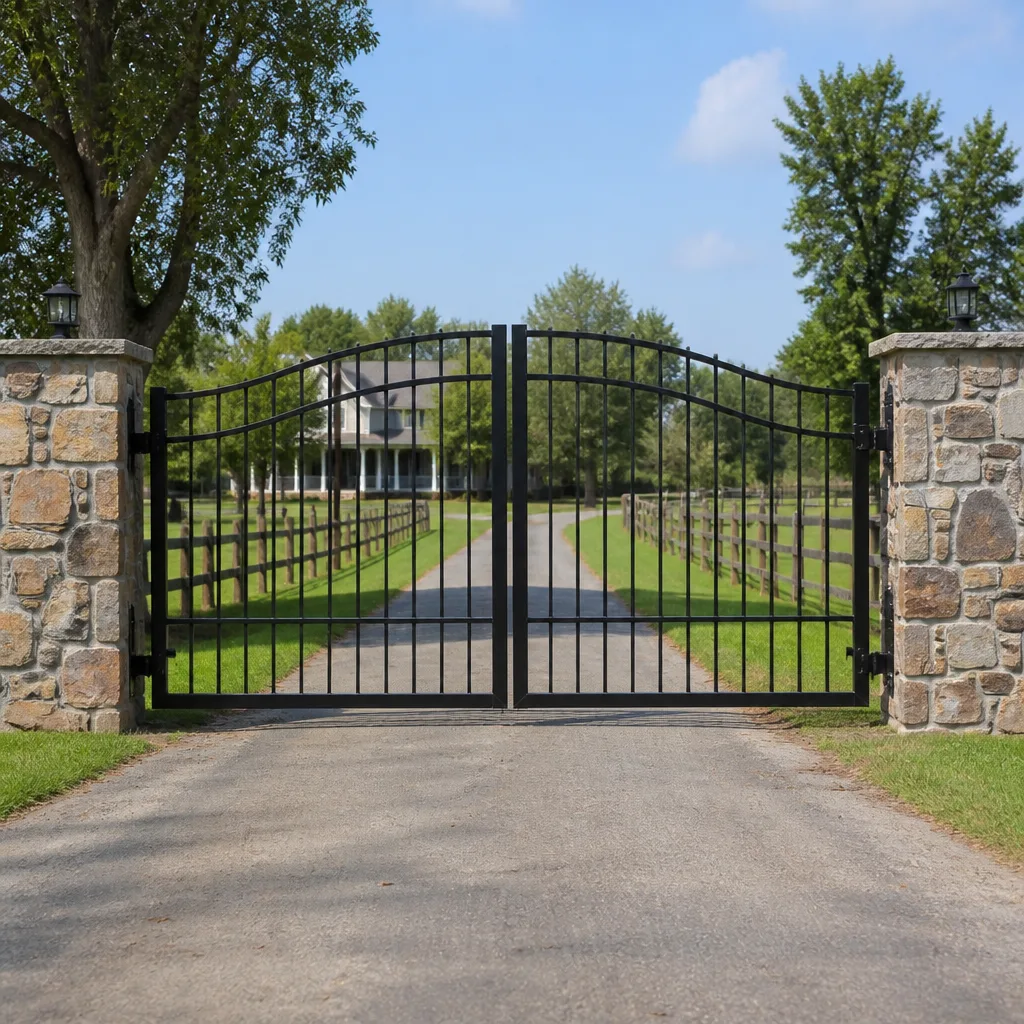 Farm & ranch
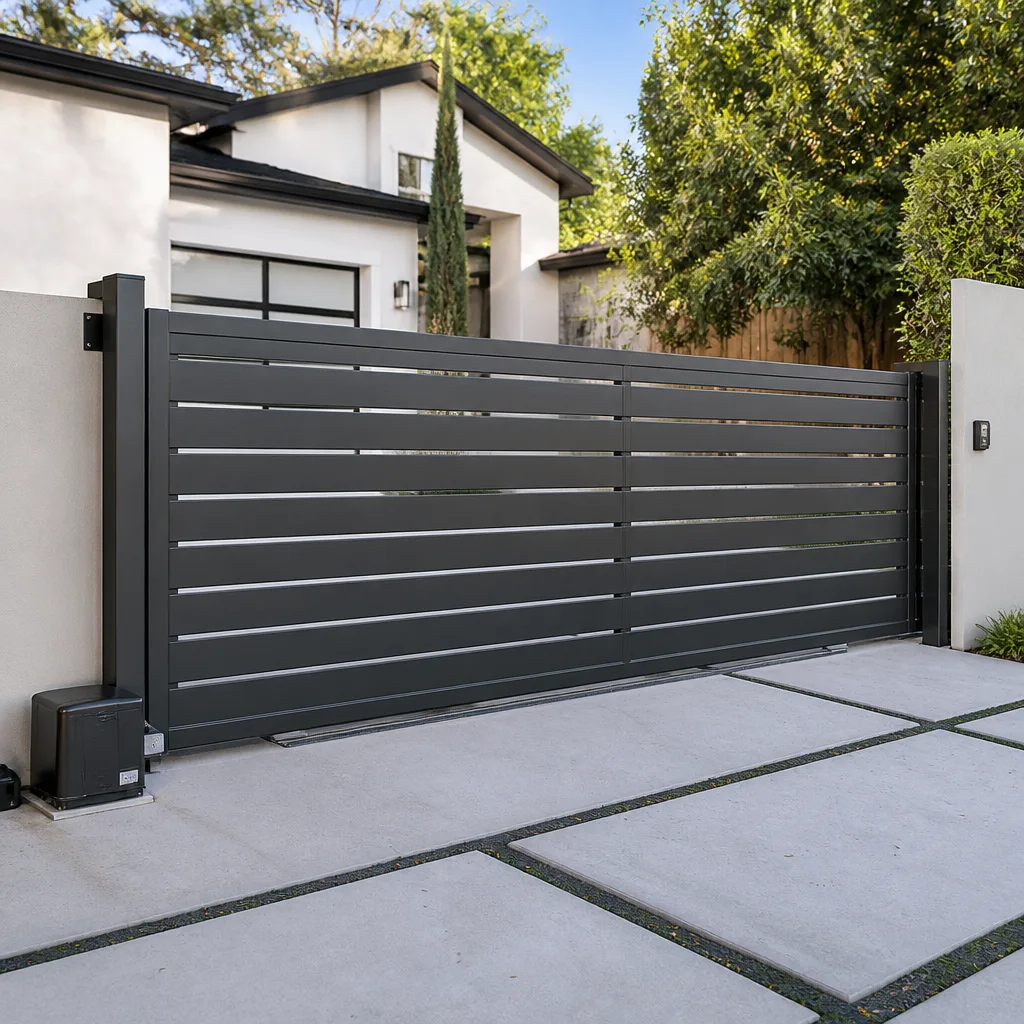 Sliding driveway gates
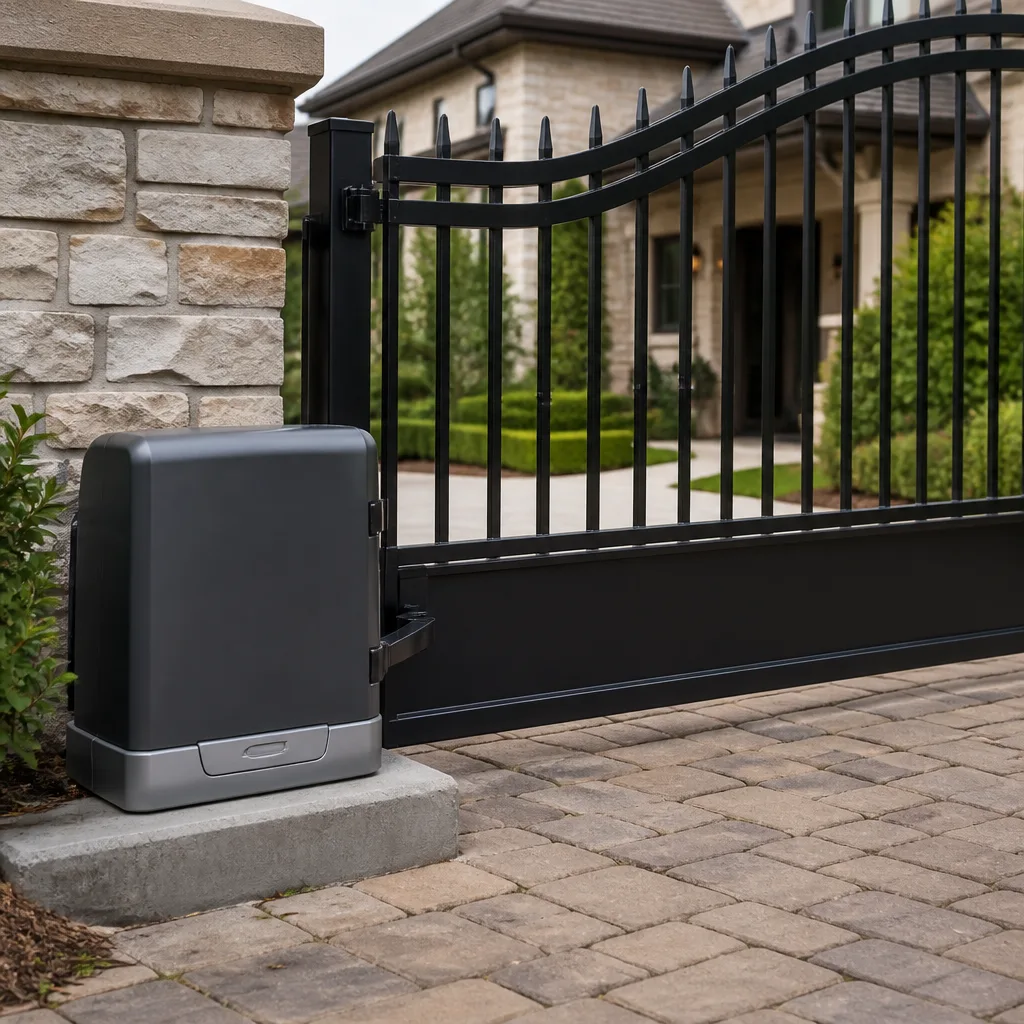 LiftMaster operators
Free on-site gate assessment - hinges, posts, and your LiftMaster or Nice gate operator checked before anything is quoted
The assessment is free and the quote is the invoice.
Get your free estimateDIY vs Professional Gate Repair: The Brooklyn Homeowner’s Decision Guide
Here’s a number most Brooklyn homeowners never hear: roughly four out of ten gate repairs we walk into started as a weekend DIY project that went sideways halfway through. The homeowner wasn’t careless. They were working on the wrong part. A gate is two systems wearing the same clothes: the panel you see, and the hardware, post, and anchor doing the actual load-bearing work. This guide-and our Gate Repair Maintenance Checklist for Brooklyn Homeowners-walks you through which repairs stay safely in your hands, which ones quietly turn a $90 fix into a $340 replacement, and how to read your own gate before you touch a single bolt. It’s written from fifteen years of repairing gates across Brooklyn, from Park Slope ironwork to Marine Park driveway operators.
Styles & brands we work with
Quick Answer
DIY gate repair in Brooklyn is reasonable when the work stays on the gate panel itself: surface rust treatment, hinge bolt tightening on a stable post, or chain lubrication. It becomes a poor bet the moment the repair touches the post, the anchor, the latch mechanism, or any electric operator wiring. Those four systems carry the gate’s weight and tension, and a mistake there escalates fast. If your repair involves masonry, a Cedarwell latch, or an operator circuit board, call our Gate Repair services before you start. The diagnostic alone is cheaper than the fix for a stripped adjustment screw.
Table of Contents
- The Brooklyn Gate Repair Decision Matrix
- Three Gate Repairs That Are Genuinely Safe to DIY
- Three DIY Repairs That Most Often Backfire
- Tools and Materials You Actually Need for a Safe Basic Repair
- How to Check Your Post Before Touching the Panel
- What a Diagnostic Visit Costs When a DIY Repair Stalls
- Electric Gate Operators: Where DIY Stops Being Optional
- Common Mistakes to Avoid
- When to Call a Professional
- Frequently Asked Questions
- The Bottom Line
The Brooklyn Gate Repair Decision Matrix
The DIY-versus-professional question is not a question of skill. A homeowner who can rebuild a carburetor can still strip a latch screw on a brownstone gate, because the screw is under 180 pounds of gate tension and no YouTube video can tell you how much your specific gate weighs. The real question is: does this repair involve the panel alone, or does it reach into the post, the anchor, the latch, or the wiring?
Here is the split we tell Brooklyn homeowners, in plain terms:
- Panel-only work: usually DIY-safe. Surface rust treatment, hinge bolt snugging on a post that does not move, chain lubrication, a loose picket re-secure, a cosmetic touch-up. These jobs do not touch the gate’s structural connection to your house or sidewalk. The worst realistic outcome is an ugly cosmetic result you redo later.
- Hardware work: call a pro. Latch adjustment, hinge realignment, spring tension changes, any work on a Cedarwell latch mechanism. These components hold the gate under tension or carry its full weight. A few degrees of misalignment at the hinge translates to a gate that sags an inch at the latch, then drags, then refuses to close.
- Post and anchor work: always call a pro. Anything involving masonry, concrete anchors, rotted wood posts, or a post that wiggles when you push it. A gate is a lever. A 90-pound gate on a loose post exerts hundreds of pounds of sideways force at the anchor. If the post fails while the panel is off, the gate falls, and on a Brooklyn sidewalk that is a real liability.
- Electric operator work: always call a pro. The board on a FAAC or BFT operator runs on low voltage, but the line feeding the operator does not. Add Brooklyn’s wet winters and the salt air off the harbor, and you have conditions that punish amateur wiring. We cover this in more depth below.
Most Brooklyn gates we see are steel or iron hung on brick, brownstone, or concrete posts. That is a fundamentally different repair situation than a cedar fence gate on a Long Island property line. The materials are harder, the tolerances are tighter, and the cost of a mistake is measured in replacement hardware, not just time.
Three Gate Repairs That Are Genuinely Safe to DIY
Not everything needs a service call. Here are three Brooklyn gate repairs a careful homeowner can handle, with the specific conditions that make them safe.
1. Surface Rust Treatment on a Stable Gate Panel
Brooklyn humidity and winter road salt accelerate rust on steel gates, especially within a few blocks of the Gowanus or the harbor. If the rust is on the surface only, and the gate itself opens and closes without grinding, this is a solid weekend project. The key word is surface. Probe the rusted area with a flathead screwdriver. If the metal dents and flakes, you have structural rust and should stop and call us. If the screwdriver scrapes clean, proceed.
The process: wire brush the loose rust, treat the area with a rust converter like Rust-Oleum Rust Reformer (about $12 a can at any Brooklyn hardware store), then prime and paint with a direct-to-metal enamel. Expect to spend $35 to $50 in materials and an afternoon of labor. The gate panel never leaves the post, so you are not working against gravity.
2. Hinge Bolt Tightening on a Post That Does Not Move
If your gate sags slightly and the post is dead solid, the hinge bolts may simply have loosened over time. Grab the gate at the latch corner and lift. If it moves up more than a quarter inch, the hinge is loose. Use a socket wrench, replace any stripped bolts with same-thread stainless hardware, and snug the bolts down. No power tools needed.
The condition that makes this safe is the stable post. If the post moves when you lean on it, tightening the hinge bolts is like straightening a picture frame on a wall that’s falling down. See the post-check section below before touching anything.
3. Chain Drive Lubrication on a Manual Sliding Gate
Manual sliding gates on track rollers pick up Brooklyn street grit quickly, especially in neighborhoods like Red Hook and Sunset Park where fine construction dust is constant. If the gate slides but complains, cleaning the track and lubricating the chain is safe and straightforward. Use a silicone-based spray lubricant, not a grease. Grease traps grit and turns the track into sandpaper. A can of CRC Heavy Duty Silicone runs about $8 to $11. Wipe the track clean with a degreaser first, then spray the chain lightly while sliding the gate back and forth.
None of these three jobs touches the gate’s structural connection to your home. That is why they are safe. The gate panel stays on the post, the tension stays put, and the worst realistic outcome is a cosmetic redo.
Three DIY Repairs That Most Often Backfire
We keep a running mental list of the calls where a homeowner tried to save a hundred dollars and ended up spending four times that. These are the three most common, and the specific moment in each repair where the damage actually happens.
1. Latch Adjustment Without a Tension-Specific Tool
The repair: The gate won’t latch cleanly, so the homeowner loosens the latch plate, nudges it, and tightens it back down.
The moment it goes wrong: The latch is a Cedarwell mechanism holding the gate closed under constant tension. The adjustment screw is machined to tolerances measured in thousandths of an inch. When you loosen it with a generic Phillips driver instead of the latch-specific tension tool, the driver cams out of the screw head. Now the screw is stripped, the latch will not hold adjustment, and the gate either will not close or will not open from outside. A standard latch replacement runs $85 to $140 in Brooklyn. A stripped adjustment screw on a Cedarwell mechanism turns that into a mechanism replacement, typically $280 to $340. The $8 you saved on a tool is gone five times over.
2. Post Anchor Tightening Without Checking What Is Actually Loose
The repair: The gate sags, so the homeowner assumes the post anchor is loose and tightens or replaces the anchor bolts.
The moment it goes wrong: The post is not loose. The hinge side is fine. The sag is coming from the gate’s internal frame, or from a hinge leaf that has bent over years of use. When the homeowner cranks on the anchor bolts anyway, the bolts pull through the aging masonry. Now the post is genuinely loose, and the repair has moved from a $90 hinge adjustment to a $400-plus post reset. In a Park Slope brownstone with 1890s brick, that masonry does not forgive over-tightening. This is the single most common self-inflicted gate injury we see in Brooklyn.
3. Electric Operator Diagnosis by Part Swapping
The repair: The gate stops opening. The homeowner figures it’s the capacitor or the limit switch, orders a part online, and swaps it in.
The moment it goes wrong: The original failure was a short in the safety sensor loop, or water intrusion in the junction box from a Brooklyn nor’easter. The new part does not fix it, because the part was never the problem. Worse, the homeowner has now introduced a second variable, which means the technician who eventually comes out has to undo the amateur repair before diagnosing the original fault. A diagnostic visit that would have cost $85 to $120 now becomes a longer visit, a removed wrong part, and a correct diagnosis underneath. On a BFT or Viking operator, the board alone runs $200 to $450. Part swapping without diagnosis is the most expensive way to guess in the electric gate world.
The pattern across all three: the damage does not happen because the homeowner is unskilled. It happens because the repair looked like a bolt-turning job when it was actually a tension-and-load job. If you cannot see the specific mechanism you are adjusting, and you are working against the gate’s weight or tension, stop.
Tools and Materials You Actually Need for a Safe Basic Repair
For the DIY-safe work above, here is exactly what a Brooklyn homeowner needs, with real product names and current street prices we see at local hardware stores in the borough.
- Wire brush and rust converter: A brass or steel wire brush (under $10) plus Rust-Oleum Rust Reformer spray ($12 to $14). This is the workhorse for surface rust on ironwork.
- Direct-to-metal enamel: Rust-Oleum High Performance or Krylon ColorMaster, roughly $10 to $16 a can depending on finish. One can covers a standard Brooklyn walkway gate with material left over for next year.
- Socket wrench set with metric and SAE sockets: A basic 40-piece set runs $25 to $40. Most Brooklyn gate hinge bolts are 1/2 inch or 13mm.
- Stainless steel replacement bolts: If you find a stripped hinge bolt, replace with same-thread stainless, about $0.50 to $2 per bolt depending on length. Never reuse a stripped bolt.
- Silicone spray lubricant: CRC Heavy Duty Silicone or WD-40 Specialist Silicone, $8 to $12 a can. Use silicone, not grease, on tracks and chains.
- Flathead screwdriver for rust probing: The one you already own is fine. This is for testing structural integrity, not disassembly.
Notice what is not on this list: a Cedarwell latch tension tool, a masonry anchor puller, a multimeter for operator boards, a torque wrench calibrated for hinge pins. Those are the tools that separate panel work from hardware work. If your repair requires one of them, you are past DIY territory, and that is not a comment on your competence. It is a statement about the cost of entry. The right latch-specific tool for a Cedarwell mechanism costs more than the professional visit to adjust the latch properly.
How to Check Your Post Before Touching the Panel
The single most important diagnostic you can run before any gate repair is the post check. A panel repair on a compromised post anchor creates more than a mechanical problem. On a Brooklyn sidewalk, a gate that falls because the post let go while you were working on the panel is a liability you do not want to own. Here is the five-minute check we run on every gate we touch.
- Push test: Put both hands on the post and lean hard. Lean side to side, then front to back. Any movement at all means the post anchor is compromised. Do not proceed with panel work.
- Tap test: Tap the post with the handle of a screwdriver from the ground up. Solid masonry gives a dull thud. Any hollow spot, especially near the base or at the anchor bolts, means the post material is failing from the inside.
- Bolt drag test: Look at the anchor bolts. Is the post pulling away from them? Is there rust weeping down the masonry from the bolt holes? Either one is a sign the anchor has been over-stressed. In a Brooklyn brownstone with century-old brick, that is common.
- Gate-off test: Open the gate to its full travel and let go. Watch the gap between the post and the gate hinge. If that gap closes or opens as the gate swings, the post is flexing under the gate’s weight. That flex is invisible when the gate is closed, and it is the reason posts fail suddenly after years of service.
- Ground check: Is the post plumb in both directions? Use a level, or stand back and eyeball it against the neighboring fence line. A post that leans is a post that is moving, even if it is moving slowly.
If any of these tests fail, the repair is no longer a panel repair. The post is the structural foundation, and everything you do on the panel rides on the post. In our experience, about half the “loose gate” calls we get in Brooklyn gate repair turn out to be post problems, not panel problems. The panel was never the issue.
What a Diagnostic Visit Costs When a DIY Repair Stalls
Here is the number most guides will not give you. When a homeowner calls us because a DIY repair has stalled, a diagnostic visit from Latch and Post Gate Repair Brooklyn runs $85 to $120 in most Brooklyn neighborhoods. That visit includes the things we think any gate specialist should do and most do not.
What you get for that diagnostic fee:
- A written diagnosis: We find the actual fault and write down exactly what it is, what it will take to fix, and what it will cost. No verbal estimate that drifts. Written, before any work starts.
- A post and anchor check: The five-minute post check above, done with our own eyes and tools. If the post is compromised, we tell you straight, even if the original problem turns out to be something else.
- An assessment of the DIY attempt: If a wrong part was installed or a screw was stripped, we tell you what happened, what it means, and whether the mistake affects the final repair. We do not charge extra to undo a well-intentioned error. The diagnosis covers it.
- A clear go/no-go recommendation: If the remaining work is genuinely DIY-safe, we say so. We would rather have you as a future customer for the big jobs than squeeze a small one out of you today.
When the DIY repair has introduced a second failure, the diagnostic visit is the cheapest way to stop the bleeding. A stripped adjustment screw on a Cedarwell latch does not heal itself. But a technician who knows the mechanism can often extract the damaged screw and save the latch housing, keeping the repair at the lower end. Left alone, that same damage requires a full mechanism replacement. The economics favor early intervention, and the math is not close.
Electric Gate Operators: Where DIY Stops Being Optional
We lumped electric operator work into “always call a pro” earlier, and this section is where we explain why that is not gatekeeping. It is Brooklyn-specific reality. The borough’s electric gates live in a harsher environment than almost anywhere else in the five boroughs, because the salt air, freeze-thaw cycles, and 100-year-old wiring all meet at the same junction box.
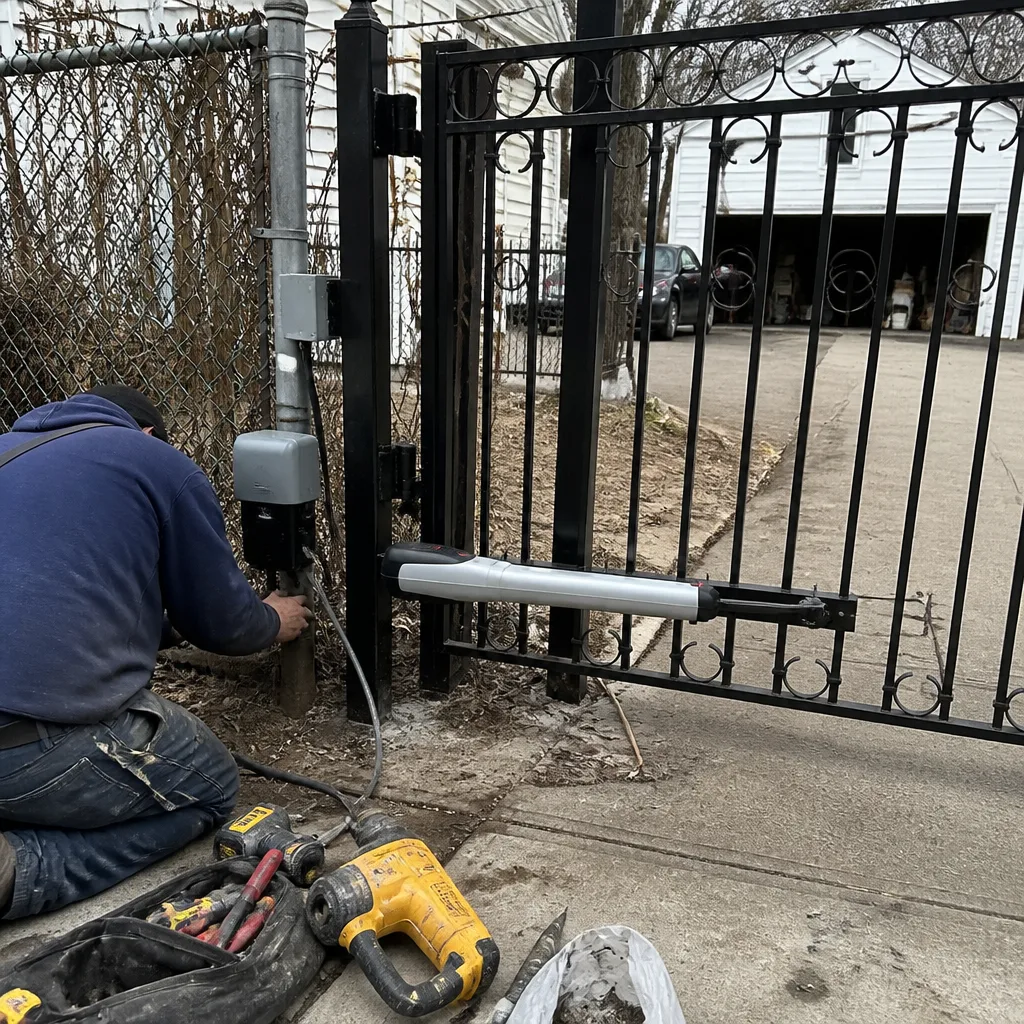
Two of the most common operators in Brooklyn are FAAC and BFT, both Italian-made hydraulic and electromechanical units built for European gate standards. They are excellent machines, and they are not forgiving of improvisation. The boards run on low voltage, usually 24V, but the incoming line feeding the operator is 120V and it does not care how careful you are. A miswired capacitor on a Viking operator holds a charge that will find you before you find it. A water-damaged limit switch on a BFT will misreport the gate position and drive the gate past its end stop, bending the arm and stripping the gearbox. That is a $400 to $600 repair born from a $20 part installed without a diagnosis.
On the safety side, electric gate operators in Brooklyn must have functioning safety edges and photocells, because the gate is moving on a public sidewalk where kids pass with a ball or a parent pushes a stroller. A homeowner who bypasses a safety sensor to get the gate working again inherits a risk that no repair budget covers. This is the one place in this entire guide where we are not soft about it: do not touch electric operator wiring. The diagnostic visit is $85 to $120. The electrical code violation and the safety exposure are not worth a line item.
If the operator is the problem, we work the same way we do on any other gate: diagnose first, write the price, then do the work. Our technicians are factory-trained on FAAC, BFT, Linear, and Viking operators. You described your gate, and we have seen enough of them to know the difference between a board that needs replacing and a connector that needs re-seating. That difference is the whole game in electric gate repair in Brooklyn.
Common Mistakes to Avoid
- Using WD-40 on a gate hinge. WD-40 is a water displacer, not a lubricant. It will quiet a hinge for about a week, then dry out and leave the hinge stiffer than before. Use a silicone spray or a proper lithium grease.
- Tightening a hinge bolt without checking the post first. If the post is moving, tightening the hinge does nothing except move the stress to a different point. You have to test the post before you touch the panel. Skipping this is the number one self-inflicted gate failure we see in Brooklyn.
- Painting over rust without treating it. Rust is an electrochemical process. Paint over active rust traps moisture against the metal and accelerates the damage. Treat with a rust converter first, then paint.
- Adjusting a latch plate when the real problem is hinge wear. The latch is the easiest thing to adjust, so it is the first thing people adjust. But if the hinge has worn, the latch adjustment will not hold, and you end up with two adjustments out of spec instead of one. Diagnose the hinge before touching the latch.
- Assuming the board is bad when the operator is wet. A FAAC or BFT operator that dies after a heavy rain often has water in a junction box or a tripped GFCI, not a fried board. Swapping the board without checking the junction is a $300 guess disguised as a repair.
- Doing post work when the gate still hangs on it. Never remove a post anchor while the gate still puts weight on the post. The post kicks out, the gate drops, and on a Brooklyn sidewalk that is a lawsuit. Supporting the gate is part of the job, and it is the first thing a good technician does.
When to Call a Professional
Call a gate specialist when the post fails any of the five checks above, when the repair touches the latch mechanism or anchor hardware, when the operator is involved, or when you have already started a repair and the gate is worse than it was. Those four conditions cover the vast majority of what we see from homeowners in Brooklyn who tried to save a morning and lost a weekend. A professional visit is not an admission of defeat. It is a decision to stop paying for the same problem twice. If you want a second set of eyes before you begin, Latch and Post Gate Repair in Brooklyn offers free estimates, and you can reach us at (934) 649-3673.
Frequently Asked Questions
Basic gate repairs in Brooklyn run $85 to $340 depending on the component. A latch replacement is $85 to $140, hinge realignment runs $120 to $200, and a Cedarwell mechanism replacement after a stripped adjustment screw runs $280 to $340. Every price is written down before any work starts, so you know the number before we touch the gate. Call (934) 649-3673 for a free estimate.
You can safely handle surface rust, hinge bolt tightness on a solid post, and chain lubrication. Anything that touches the post, the anchor, the latch mechanism, or electric operator wiring carries real risk of escalation. The decision rule is simple: if you can see the exact component you are adjusting and it is not under tension or load, DIY is reasonable. If you cannot, call first.
You call a gate specialist, and in most cases the damage is repairable. A stripped latch screw can often be extracted, a misadjusted hinge can be re-set, and a wrong operator part can be removed and diagnosed properly. The diagnostic visit is $85 to $120, and it stops the damage from growing. The faster you call, the less the fix costs.
Run the push test, tap test, bolt drag test, gate-off test, and ground check described above. Any movement, rust weeping, or visible lean means the post is compromised. Do not do panel work until the post is stable. A panel repair on a bad post is a danger and a waste.
The low-voltage board is safe to handle with the power off, but the incoming line is not, and the stored charge in a capacitor is not either. Electric operator wiring is one of those places where the cost of a professional visit is cheap insurance. We work on FAAC, BFT, Linear, and Viking operators daily, and the diagnosis is usually the fastest part of the visit.
Yes. We provide a written price before any work begins, every visit, no pressure to proceed. If you are not sure whether your gate problem is DIY-safe, call (934) 649-3673 and describe what you are seeing. We will tell you straight whether it is worth a visit.
The Bottom Line
The DIY-versus-professional question for Brooklyn gates comes down to one thing: are you working on the panel or the structure? Panel work, when the post is sound, is well within a careful homeowner’s reach. Structure work is not, because the gate carries weight and tension you cannot see. If your post passes the five checks, if the latch and anchor stay untouched, and if no wire is involved, take the morning and do it yourself. The rust will wait. For more guides & resources, see our blog. Otherwise, call before you turn a $90 repair into a $340 replacement. A diagnostic visit in Brooklyn runs $85 to $120, and it is the cheapest insurance your gate will ever get.
Written by Cody Beckman, Owner at Latch and Post Gate Repair Brooklyn, serving Brooklyn since 2009.
See the difference
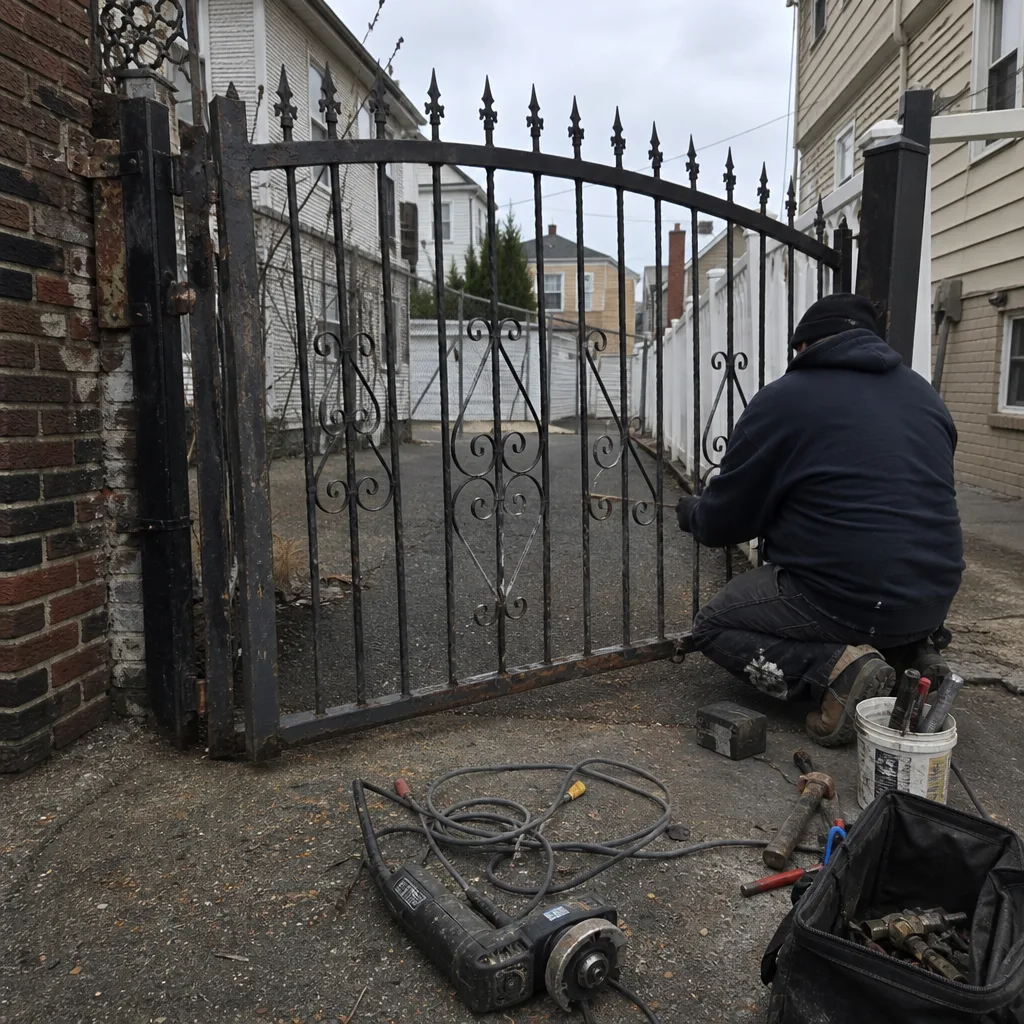 Before
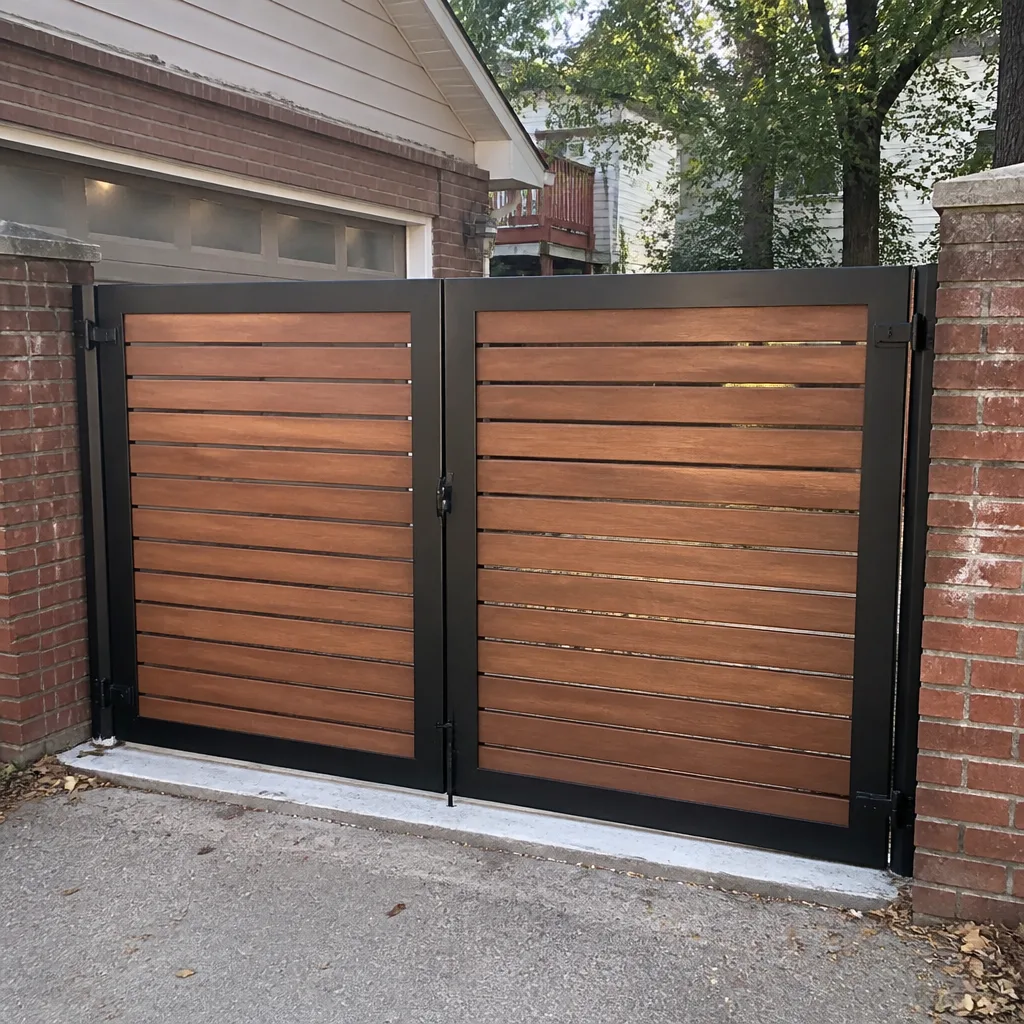 After
After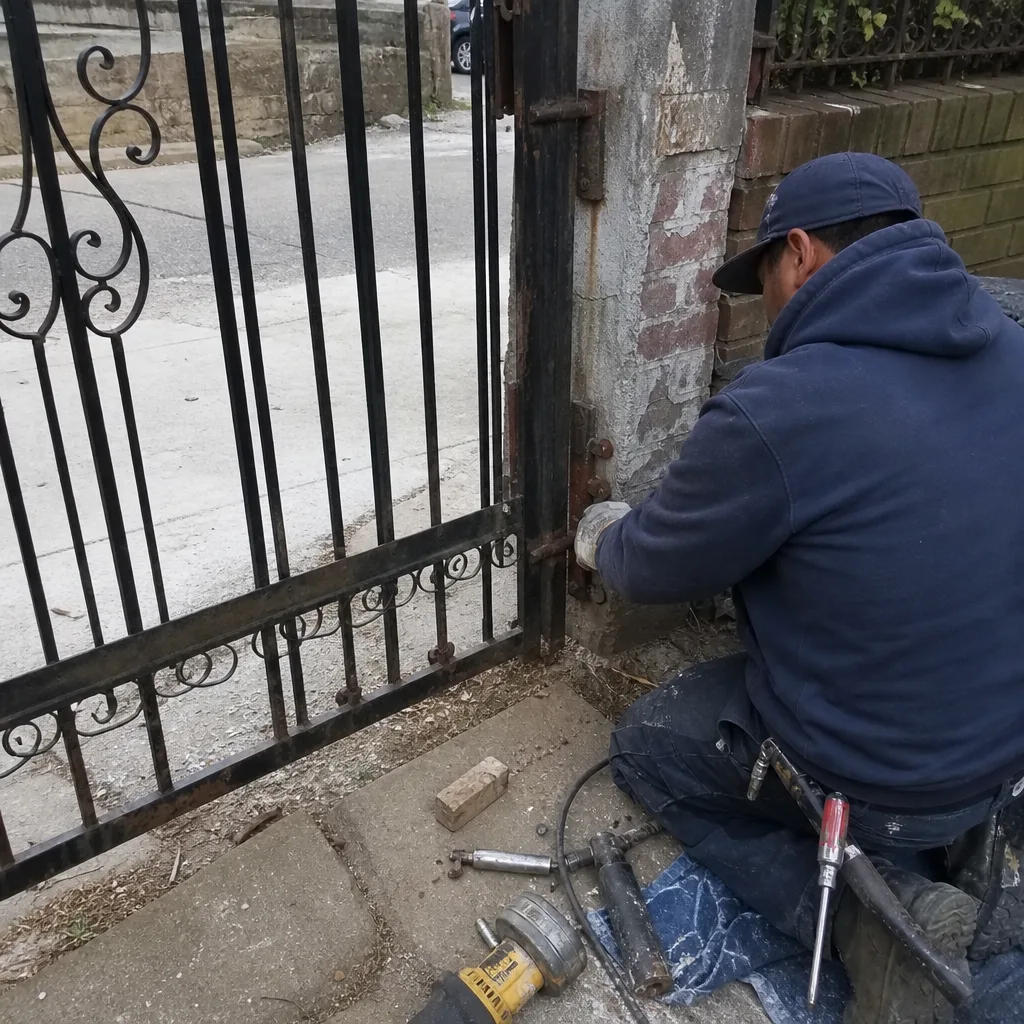 Before
 After
After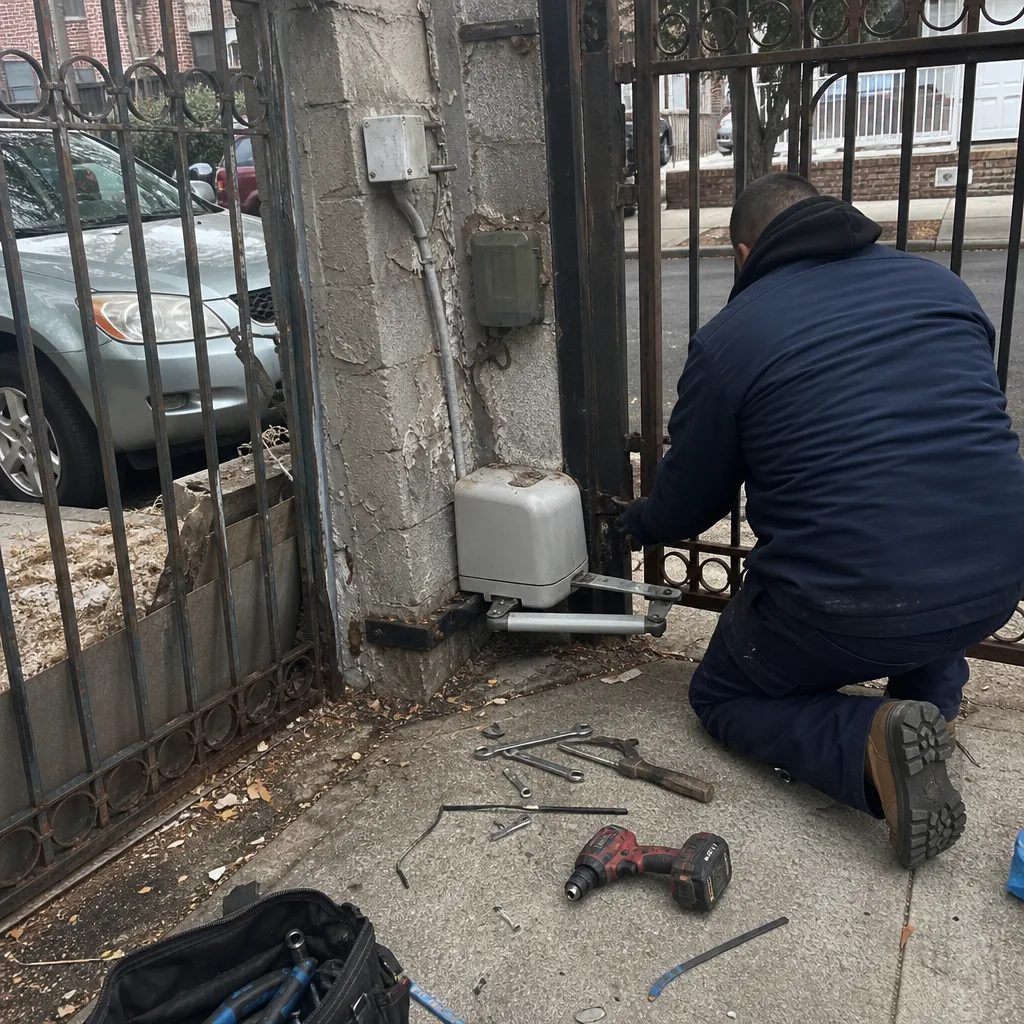 Before
 After
After